
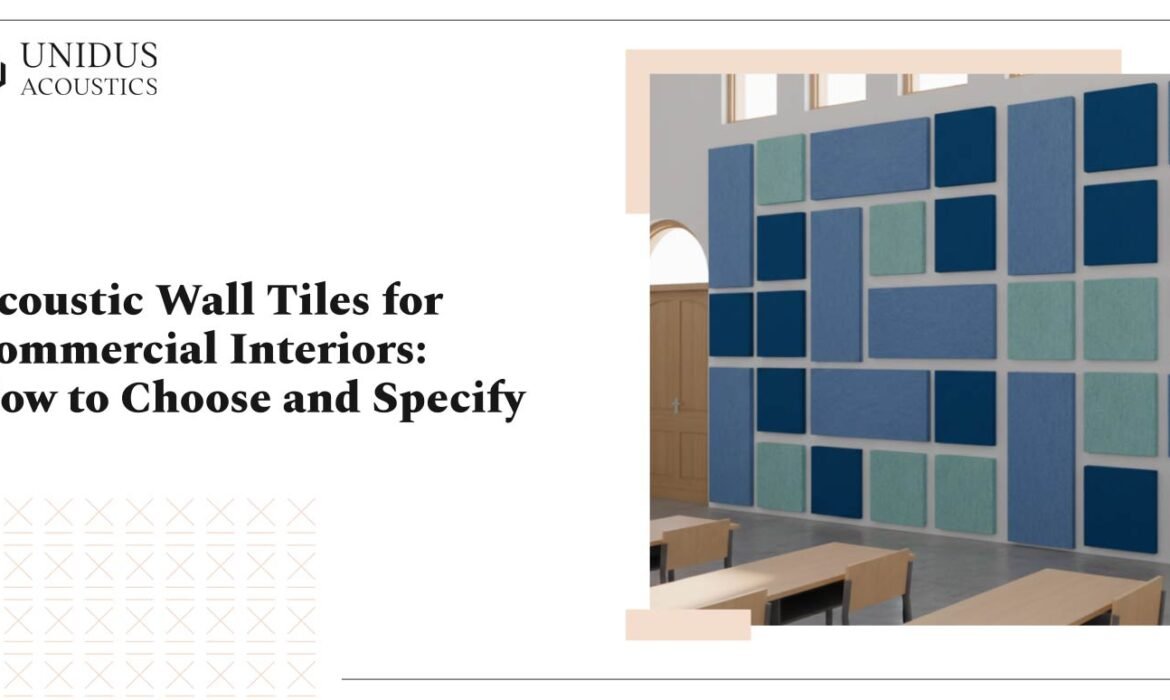
"Acoustic wall tiles" gets searched more often than it gets sold as a literal product. At Unidus Acoustics, we see the term used for modular, tile-format acoustic wall panels, not for a ceramic or stone tile category. That mix-up is worth clearing up before you compare products. This guide is...
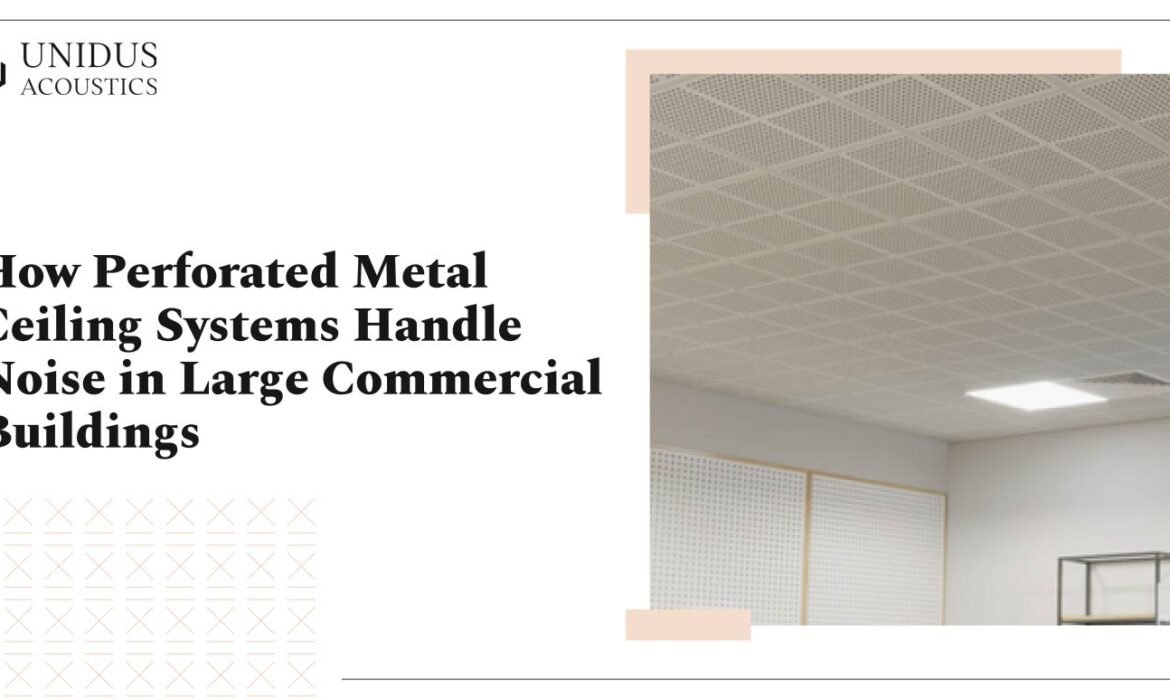
How Perforated Metal Ceiling Systems Handle Noise in Large Commercial Buildings
Noise management in large commercial spaces is rarely simple, and that’s why the ceiling is often the first surface a specifier looks to. Perforated metal ceiling systems have become one of the most commonly specified acoustic solutions in large-volume commercial buildings. But how they work acoustically, and when they’re genuinely...
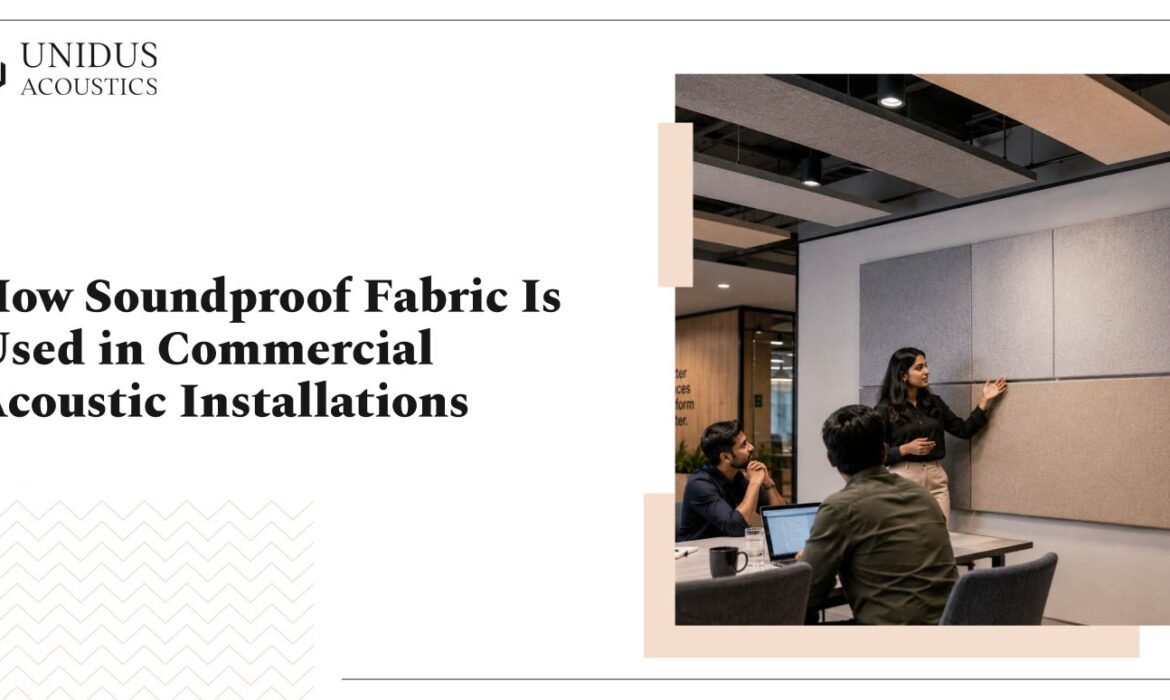
How Soundproof Fabric Is Used in Commercial Installations
Soundproof fabric doesn’t get much attention in specification documents. It usually shows up as a colour selection, and then the conversation moves on to NRC ratings and mounting heights. But the fabric in a fabric-wrapped acoustic panel, or in a fabric-faced ceiling system, is doing something specific, and getting it...
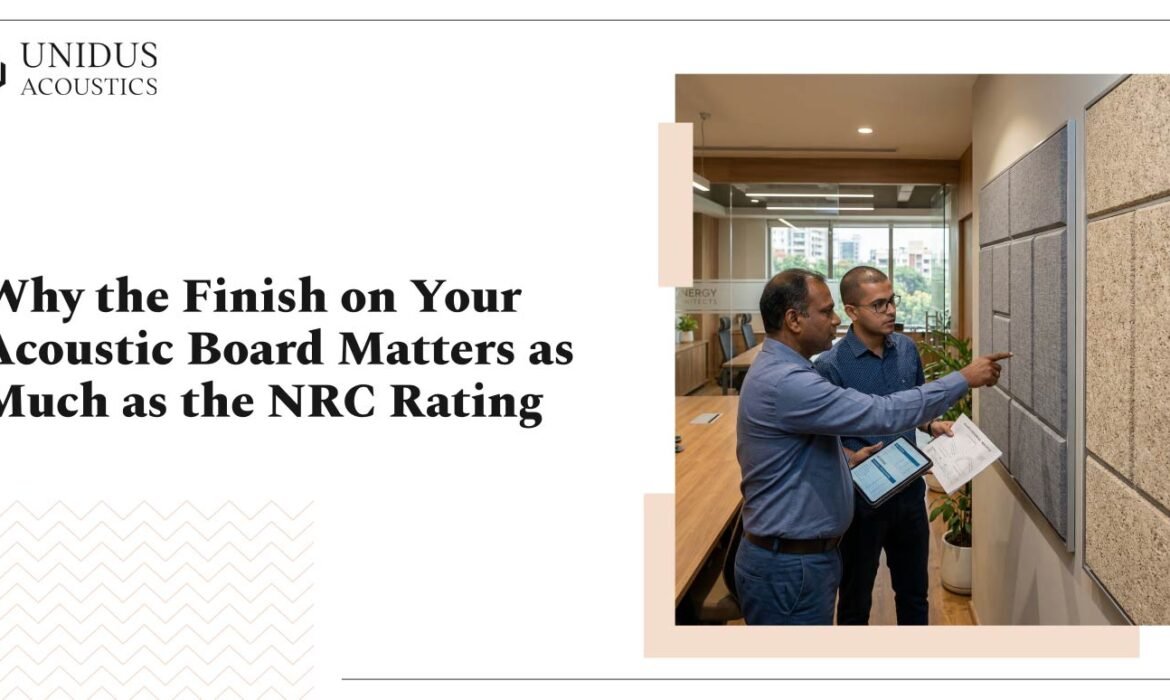
Why the Finish on Your Acoustic Board Matters as Much as the NRC Rating
The finish on an acoustic board matters as much as its NRC rating because a finish that blocks the board's surface also blocks the sound from reaching the absorptive material behind it. Painted, fabric-wrapped, and perforated finishes each affect performance differently. This is worth understanding at the specification stage, not...
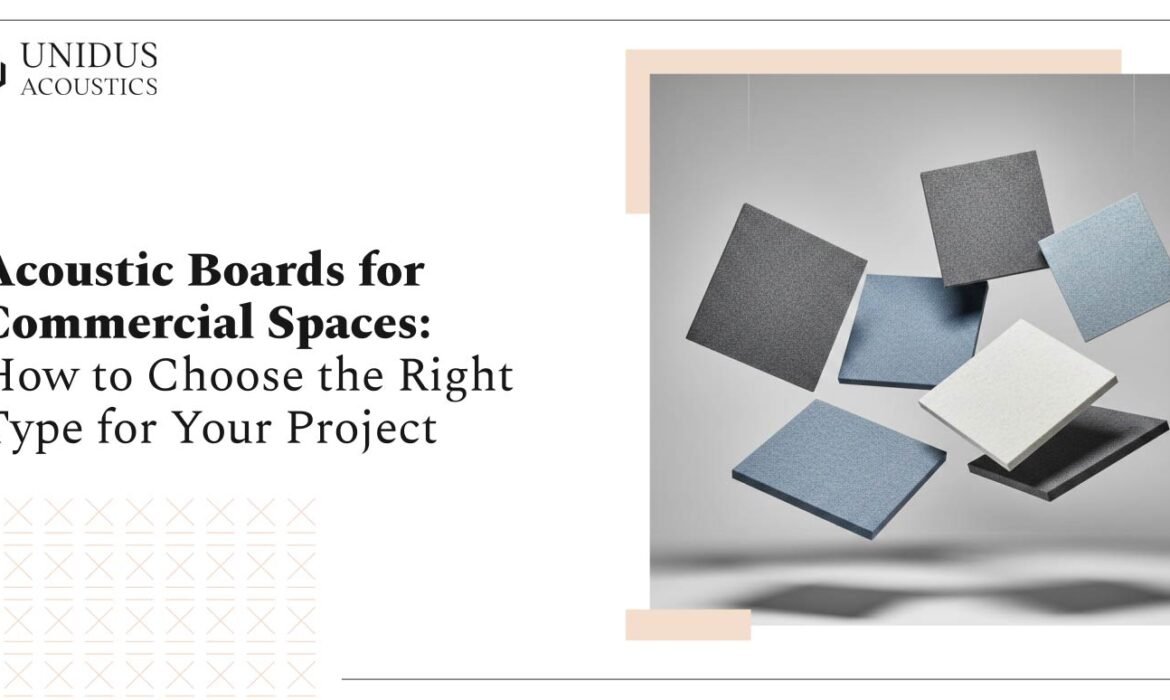
Acoustic Boards for Commercial Spaces: How to Choose the Right Type for Your Project
Acoustic boards are sound-absorbing panels installed on walls, ceilings, or as suspended elements to reduce reverberation, control echo, and improve speech clarity within a space. In commercial settings, they are specified in offices, educational institutions, hospitality venues, healthcare facilities, and auditoriums where noise control affects occupant productivity and experience. Unlike...