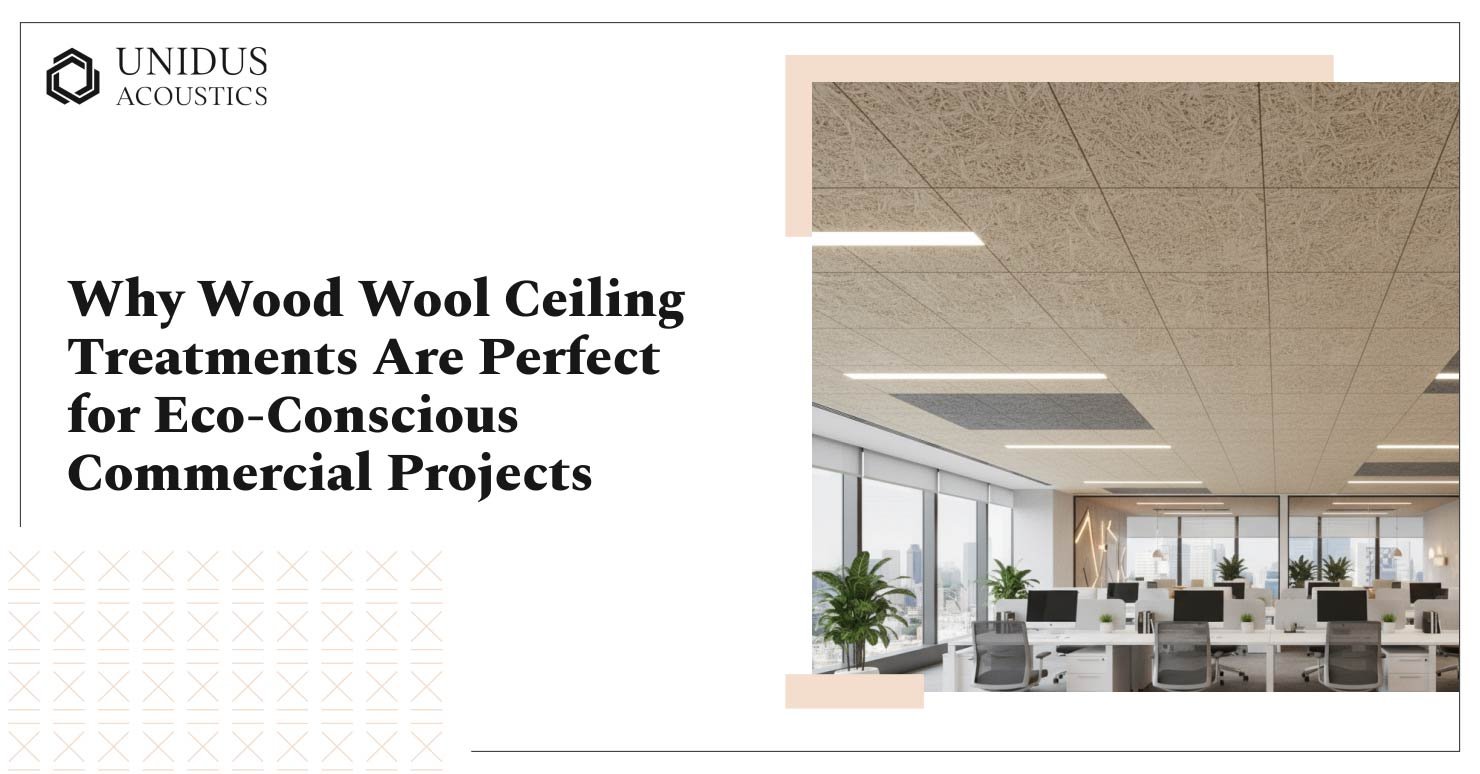
Wood wool ceiling treatments have become increasingly popular because they solve two major problems: sustainability and sound control.
Modern offices favour open layouts with glass, concrete and steel. While visually impressive, such hard surfaces reflect sound and create echoes that hurt productivity. At the same time, sustainability demands are rising. Clients expect eco-friendly materials, low emissions, recycled content, and responsible manufacturing.
Wood wool ceilings meet both needs — they effectively absorb unwanted noise while being crafted from natural, renewable materials that align with green design standards.
Acoustic Challenges in Modern Offices
Open offices and commercial spaces often feature polished floors, large windows and exposed ceilings. Such minimalistic designs promote collaboration but can cause excessive echo and poor speech intelligibility. As a result, employees experience distractions and stress. They struggle to understand conversations, and meetings become inefficient.
When acoustic performance isn’t addressed early in the design phase, many projects resort to quick fixes like carpets, wall hangings, or foam panels. But these quick fixes rarely provide long‑term noise control or sustainability.
What Is Wood Wool Ceiling?
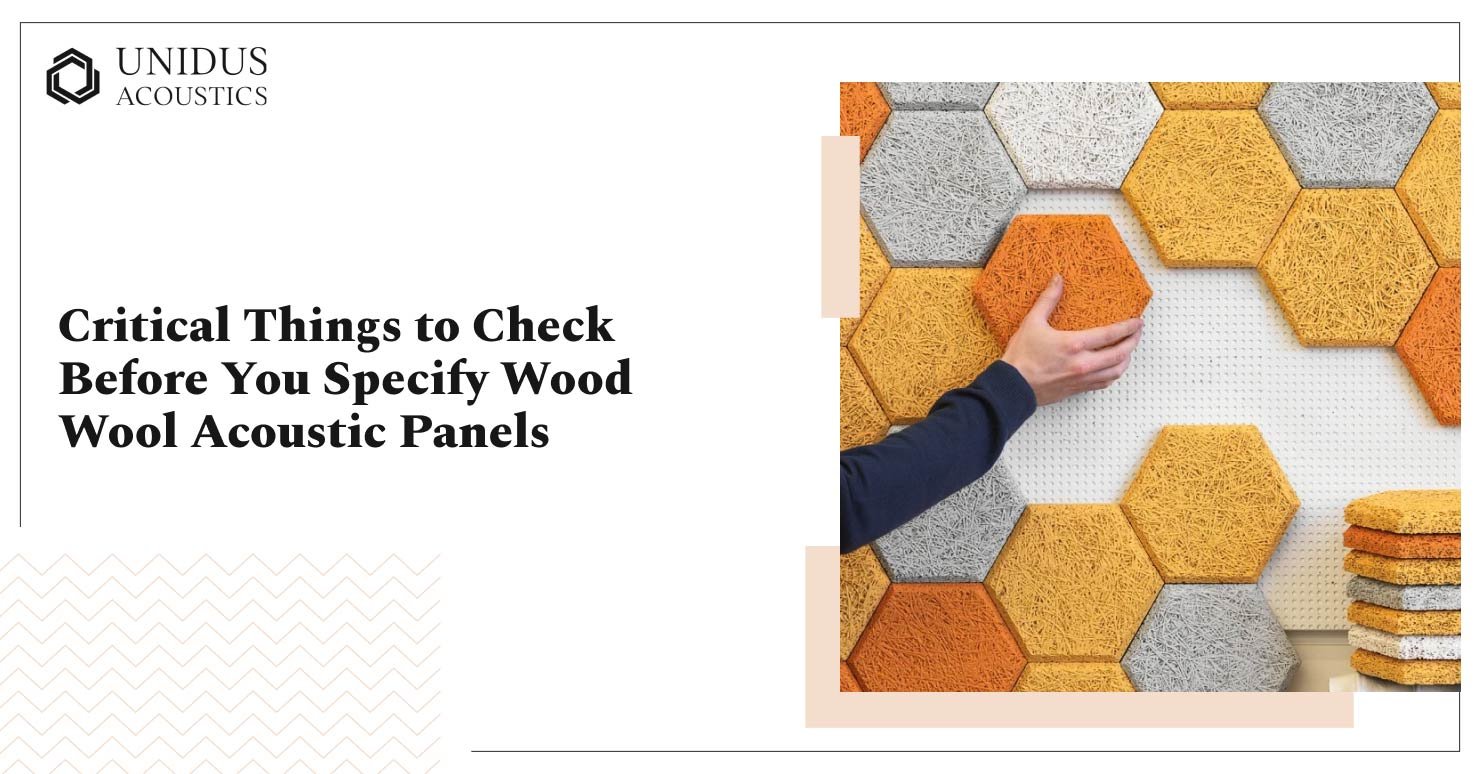
Wood wool is a composite material made from long, thin strands of softwood (usually spruce or pine), Portland cement and water. After mixing, it is pressed and cured to create rigid panels. The resulting product has a distinctive fibrous texture and is sometimes called excelsior or fibreboard.
As architects and designers, you’ll appreciate that wood wool ceilings bring both form and function to a space. They offer a distinct, organic aesthetic while delivering excellent sound absorption. Unlike synthetic insulation materials, wood wool is renewable, recyclable, and produced with relatively low energy.
Key Features of Wood Wool Panels
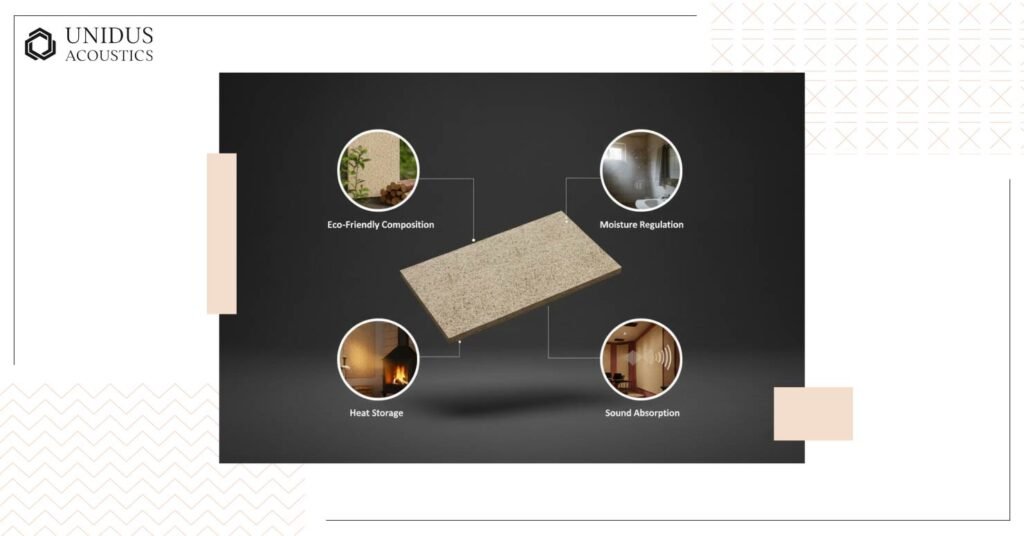
- Eco‑Friendly Composition: Wood wool panels are made from wood, cement and water, making them recyclable and environmentally friendly.
- Moisture Regulation: The panels regulate indoor humidity by absorbing moisture and releasing it when the air dries, helping maintain comfortable conditions and discouraging mould growth.
- Heat Storage: Wood wool stores heat and releases it when temperatures drop, reducing energy consumption for heating and cooling.
- Sound Absorption: The open structure of wood wool reduces sound reflections and provides excellent sound absorption. It delivers noise reduction coefficients (NRC) between 0.70 and 0.90
How Wood Wool Ceiling Helps Design Eco-friendly Commercial Spaces?
Wood wool panels are a designer’s go-to choice for commercial spaces thanks to their balance of sustainability, aesthetics, and acoustic comfort. Some feature that sets wood wool ceiling apart are:
1. Sustainable and Low Carbon
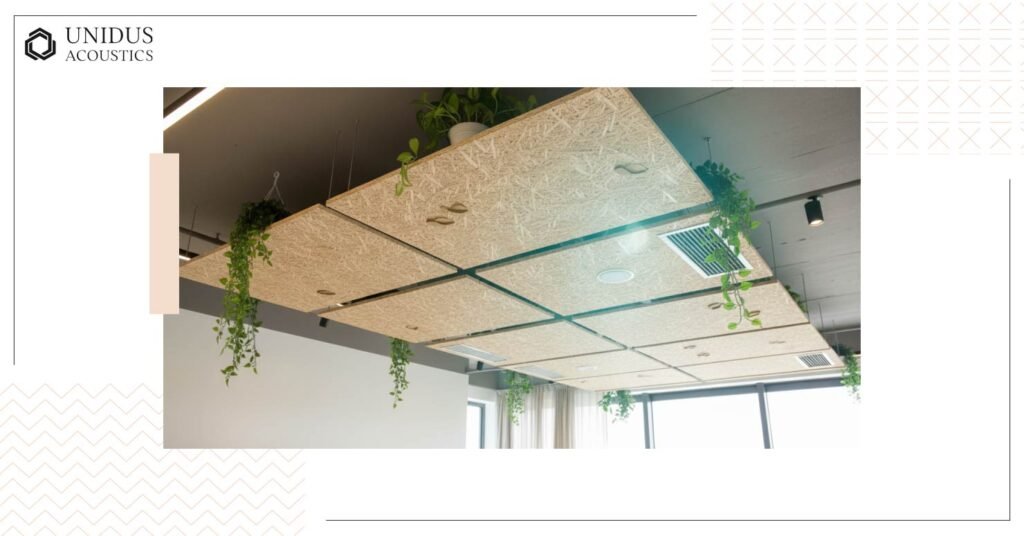
Environmental sustainability is at the heart of wood wool. The panels use renewable wood fibre and consume less energy during production than synthetic alternatives. Because they can be recycled or composted, wood wool ceilings reduce landfill waste.
2. Excellent Acoustic Performance
Wood wool’s open structure and natural fibre network absorb sound waves across a wide frequency range. This means fewer echoes and more comfortable speech intelligibility. In open offices, retail stores and classrooms, wood wool ceilings reduce distractions and improve concentration. Wood wool panels provide broad‑based sound absorption and NRC values between 0.70 and 0.90. This performance equals or surpasses many conventional acoustic tiles while avoiding synthetic materials.
3. Improved Indoor Climate and Energy Efficiency
Wood wool ceilings help regulate humidity by absorbing and releasing moisture, which keeps indoor air comfortable and discourages microbial growth. The material also stores thermal energy and releases it gradually, reducing fluctuations in temperature and contributing to passive heating and cooling.
In commercial buildings, this translates into lower HVAC energy consumption and more stable indoor climates.
4. Aesthetic Flexibility
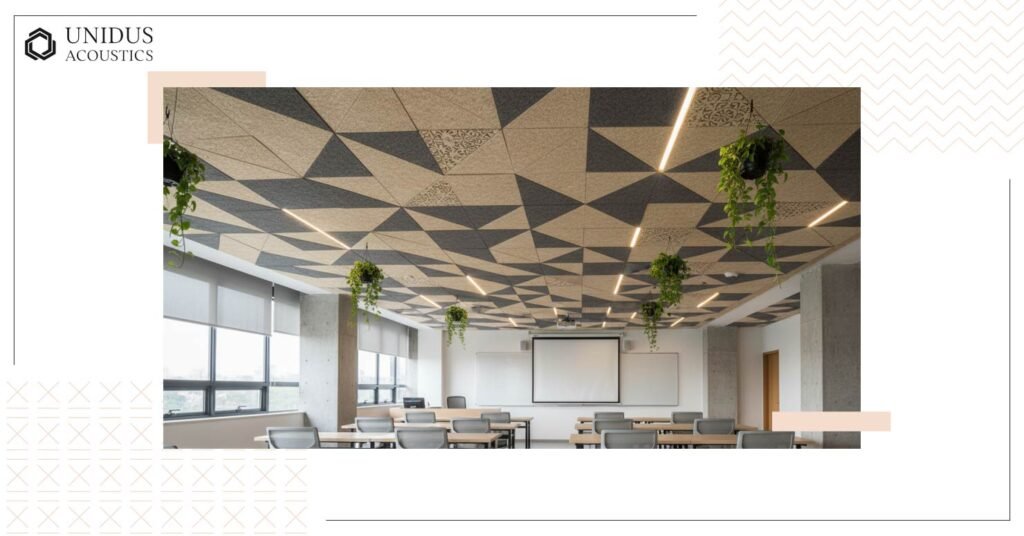
Eco‑conscious design is not only about sustainability; it also embraces aesthetics. Wood wool panels offer a warm, natural texture that complements biophilic design trends. They can be left in their natural beige tone for a rustic look or painted in any colour to match corporate branding.
The unique fibre pattern introduces visual interest and pairs well with lighting. Designers can choose from different surface textures like ultra‑fine, fine, or coarse and create patterns or stripes. This flexibility means wood wool ceilings can fit modern offices, hospitality venues, boutique stores and educational facilities.
5. Cost‑Effectiveness and Installation Efficiency
Despite their premium look, wood wool ceiling treatments are cost‑effective. They offer high performance without expensive membranes or complex installation systems. The panels are lightweight and easy to cut, which reduces installation time and labour costs. Their durability means fewer replacements and lower maintenance expenses.
For eco‑conscious projects where budgets must balance sustainability and value, wood wool provides excellent return on investment.
Tips for Choosing and Installing Wood Wool Ceilings
- Assess Acoustic Needs: Conduct acoustic measurements early in the design phase. Identify problem frequencies and determine appropriate panel thickness and surface texture.
- Match Texture to Aesthetics: Choose ultra‑fine textures for corporate boardrooms, fine textures for classrooms and coarse textures for industrial chic designs. Natural finishes enhance biophilic design, while coloured panels support brand identity.
- Integrate Lighting: Combine acoustic panels with lighting fixtures to avoid gaps and create a seamless ceiling. Integrated solutions reduce installation complexity and deliver uniform design.
- Use Complementary Materials: Pair wood wool ceilings with other sustainable materials like wood slats, fabric baffles or acoustic wall panels. This holistic approach enhances acoustics and visual appeal.
- Consider Edge Treatment: Chamfered or painted edges provide clean transitions and highlight patterns. Unidus Acoustics offers custom edge treatments to match interior details.
- Maintenance and Cleaning: Wood wool panels can be vacuumed and dusted easily. Periodic maintenance ensures longevity without harsh chemicals.
Final Thoughts
If you’re working on a commercial office, hospitality venue, educational building or public space with high standards for acoustics and sustainability, a wood wool ceiling system can become a strategic asset. These panels combine renewable materials, low embodied energy, excellent sound absorption, moisture regulation, and thermal efficiency.
Their natural texture and versatile appearance enhance aesthetic appeal while boosting productivity and occupant comfort. For architects and interior designers seeking to reduce environmental impact without compromising on design, wood wool ceilings offer an effective path.
Unidus Acoustics leverages its 40 years of expertise to deliver customised wood wool ceiling systems that meet acoustic, aesthetic, and sustainability goals. We provide end‑to‑end support from acoustic mapping and design integration to manufacturing and installation. By choosing Unidus Acoustics, commercial projects can turn noisy spaces into harmonious environments while contributing to a greener future.
Ready to create an eco-conscious space with superior acoustics? Contact us today for a comprehensive acoustic audit and customised wood wool ceiling solutions that deliver both performance and sustainability.