
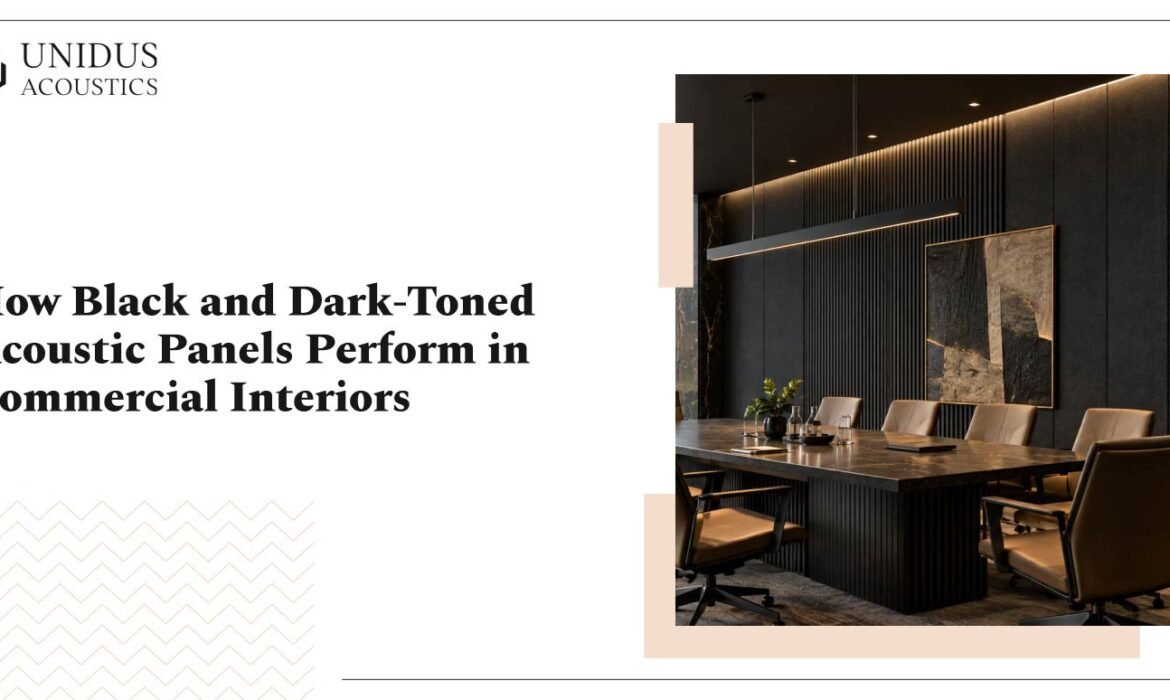
Architects and designers usually hesitate over acoustic panels at the colour stage, not the performance stage. Black and dark grey finishes look sharp in a boardroom or a CXO cabin, but there's a common assumption that darker panels absorb sound differently, or come with more upkeep than lighter ones. Some...
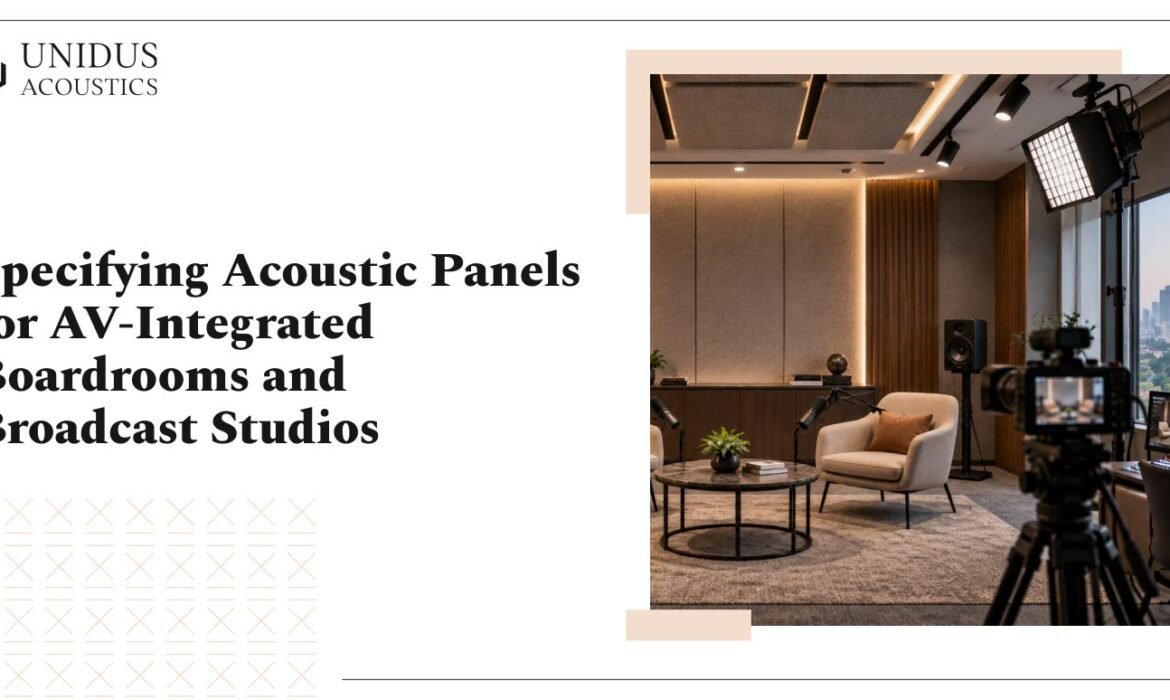
Specifying Acoustic Panels for AV-Integrated Boardrooms and Broadcast Studios
A boardroom with a video wall and three cameras behaves differently, acoustically, from one with a whiteboard and a phone. Add microphones and speakers, then a camera picking up every voice, and the acoustic tolerance drops. What passed as good enough in a regular meeting room shows up as echo...
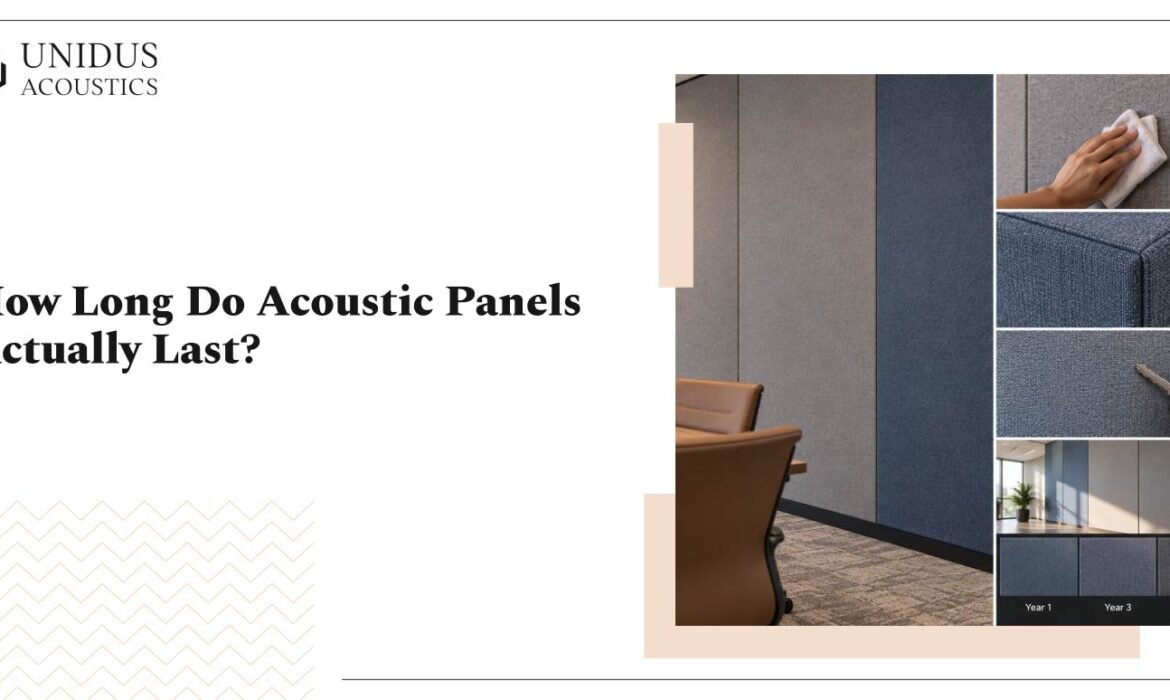
How Long Do Acoustic Panels Actually Last?
How Long Do Acoustic Panels Actually Last? This question comes up on almost every project once a client sees a quote. Fair enough. Nobody wants to approve a product that looks tired in three years, or pay for durability the space doesn't need. At Unidus Acoustics, that's the question we...
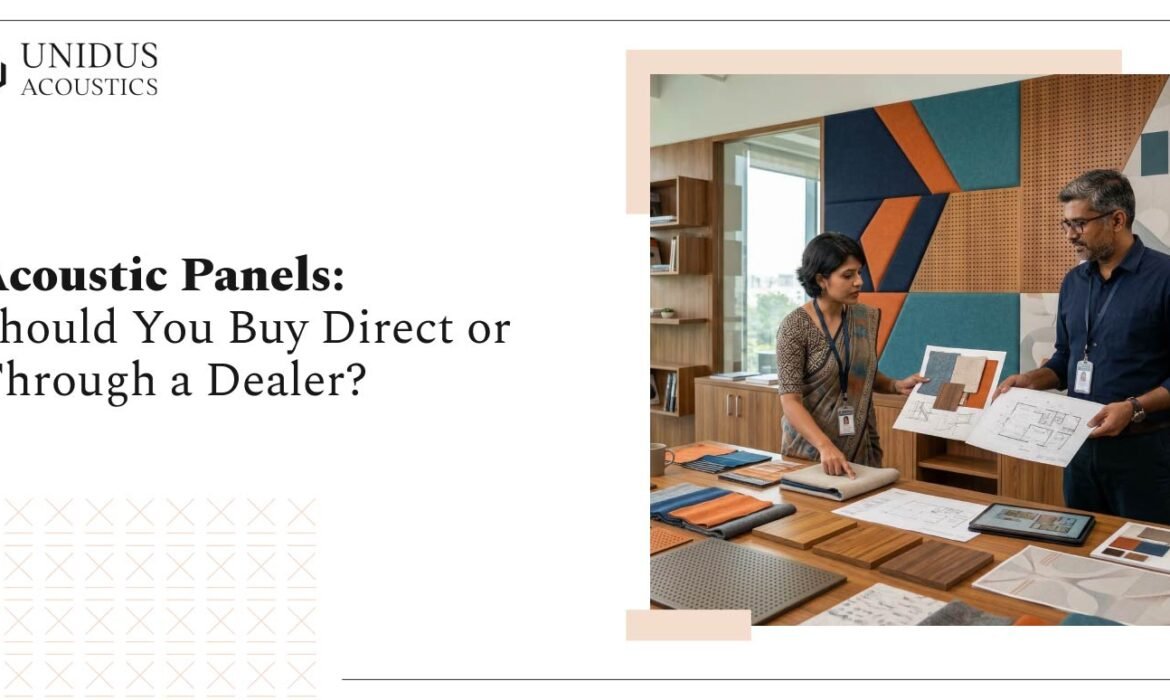
Should You Buy Acoustic Panels Direct from the Manufacturer, or Through a Dealer?
Every architect and facility team specifying acoustic panels for a project eventually hits the same fork in the road. Do you order acoustic wall panels from the manufacturer directly, or route the purchase through a dealer or supplier? Unidus Acoustics hears this question often, usually from procurement managers. They compare...

8 Things to Check Before You Specify Wood Wool Acoustic Panels
Wood wool acoustic panels look simple on a material board: a name, a texture swatch, sometimes an NRC number sitting next to it. Unidus Acoustics fields specification queries on this product most weeks, and they tend to arrive late, once the finish is locked in and the project timeline leaves...
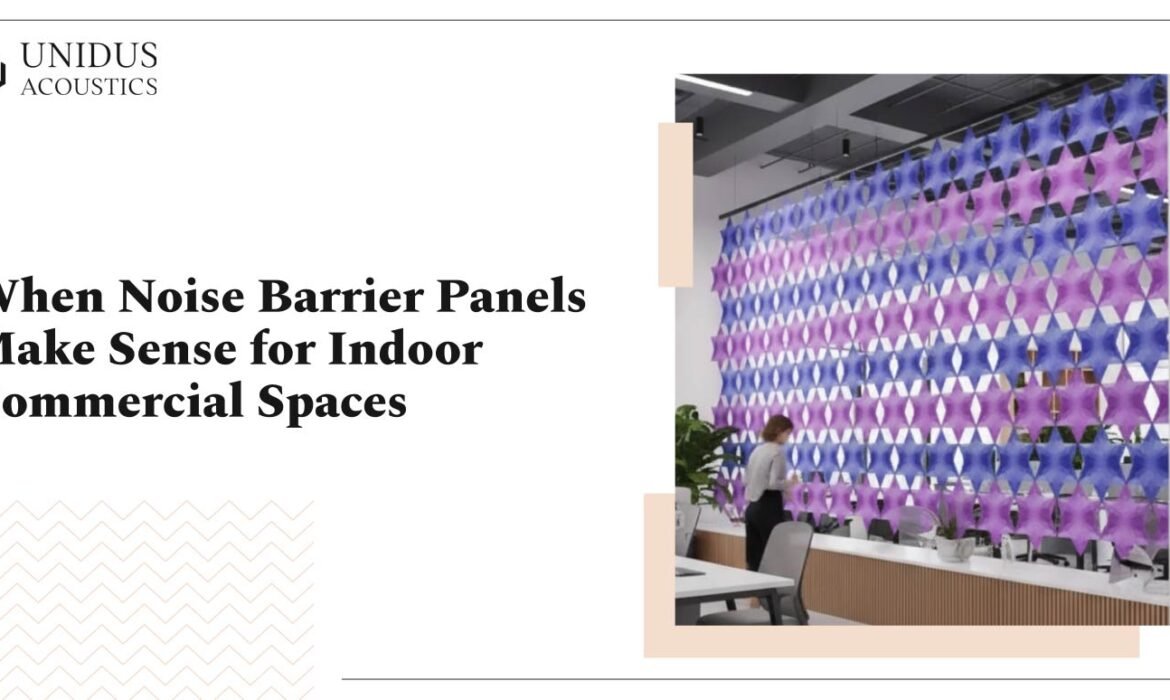
When Noise Barrier Panels Make Sense for Indoor Commercial Spaces
Architects and facility teams often reach for "noise barrier panels" when what they actually need is acoustic absorption, or the other way round. At Unidus Acoustics, this mix-up is one of the most common specification questions we get, mainly because the two products solve completely different problems. This guide breaks...