
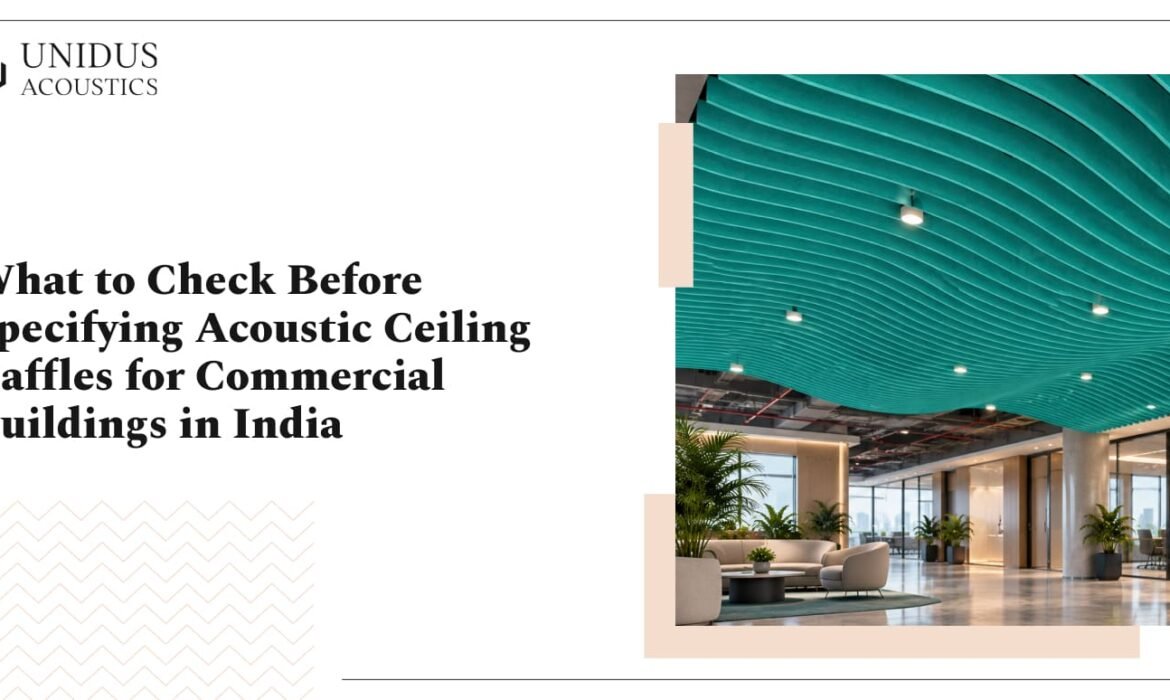
Acoustic ceiling baffles are now among the more commonly specified solutions in Indian commercial interiors, especially in projects with exposed structure where a full closed ceiling isn't on the table. They work with the existing soffit rather than against it, and the MEP coordination overhead is far lighter than a...
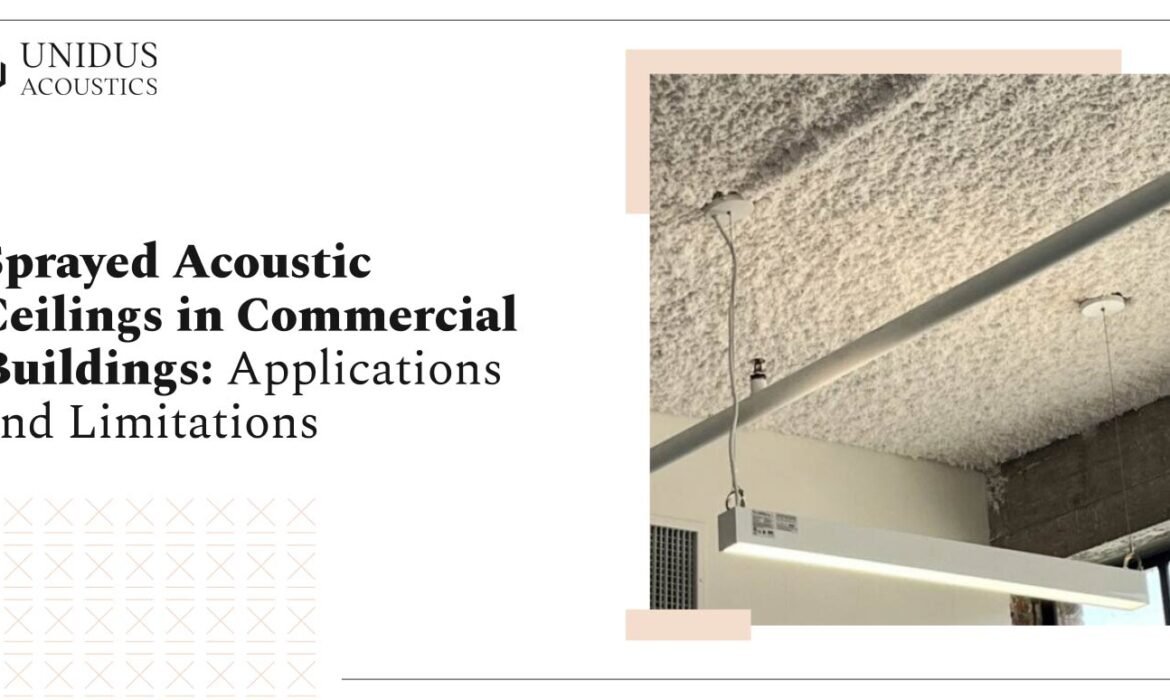
Sprayed Acoustic Ceilings in Commercial Buildings: Applications and Limitations
Sprayed acoustic ceilings get specified when the design brief won't tolerate visible grid lines, panel edges, or any interruption overhead. The finish looks like plaster. The acoustic function comes from the porous structure of the applied material. For certain project types, that combination is exactly what's needed. The question is...
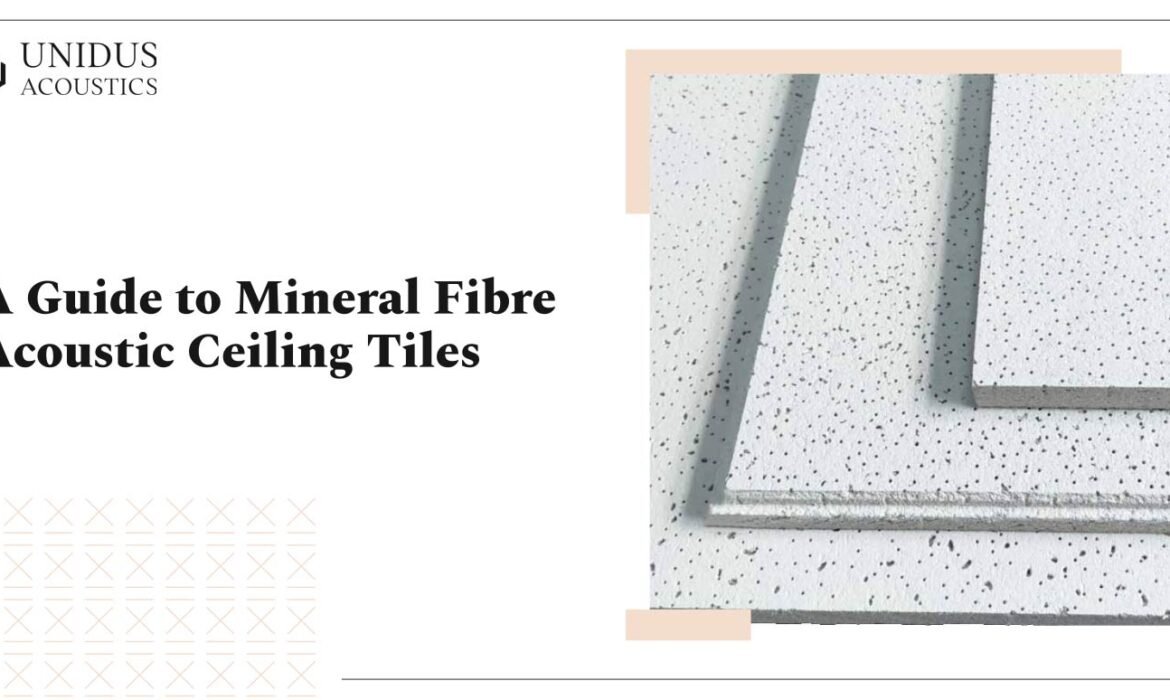
A Guide to Mineral Fibre Acoustic Ceiling Tiles
Mineral fibre acoustic ceiling tiles are suspended ceiling panels made from natural and recycled mineral materials, designed to absorb airborne sound within a space and, in higher-performance products, to reduce sound transmission through the ceiling plane into adjacent rooms. But not all mineral fibre tiles perform the same way. NRC,...
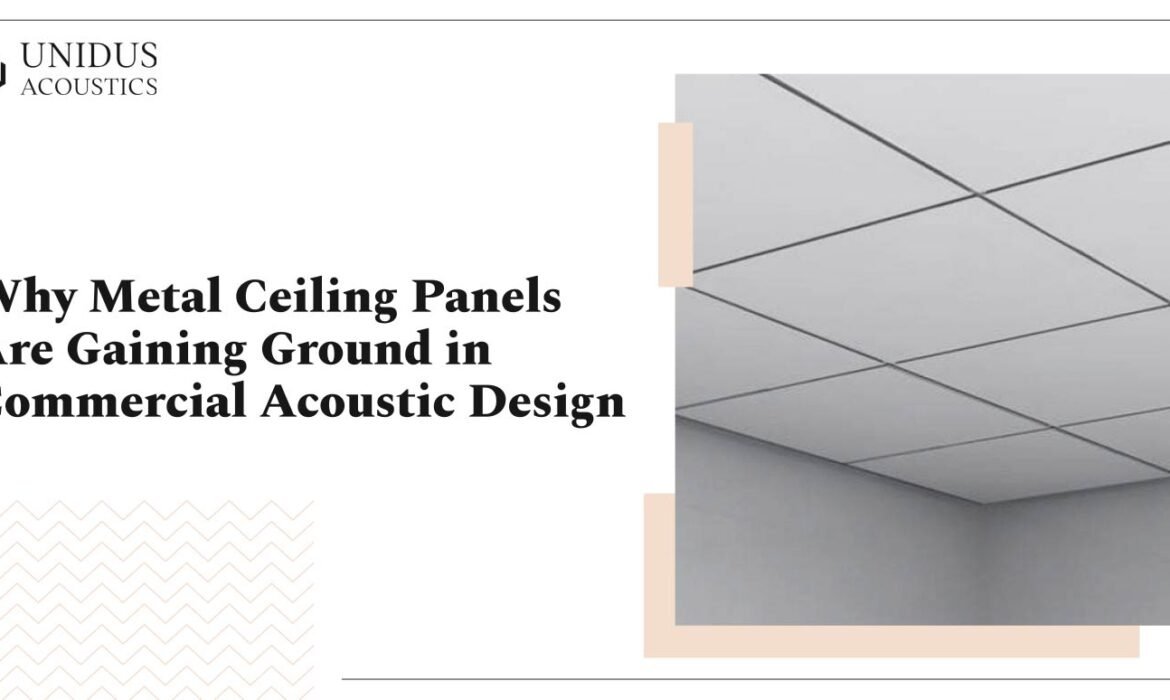
Why Metal Ceiling Panels Are Gaining Ground in Commercial Acoustic Design
Commercial interiors have always had a complicated relationship with metal ceilings. For much of the last century, metal overhead read as industrial. Think warehouse roofing, factory sheds, the underside of a railway platform. The assumption followed naturally: hard materials make poor acoustic choices. For unperforated metal over hard floors and...
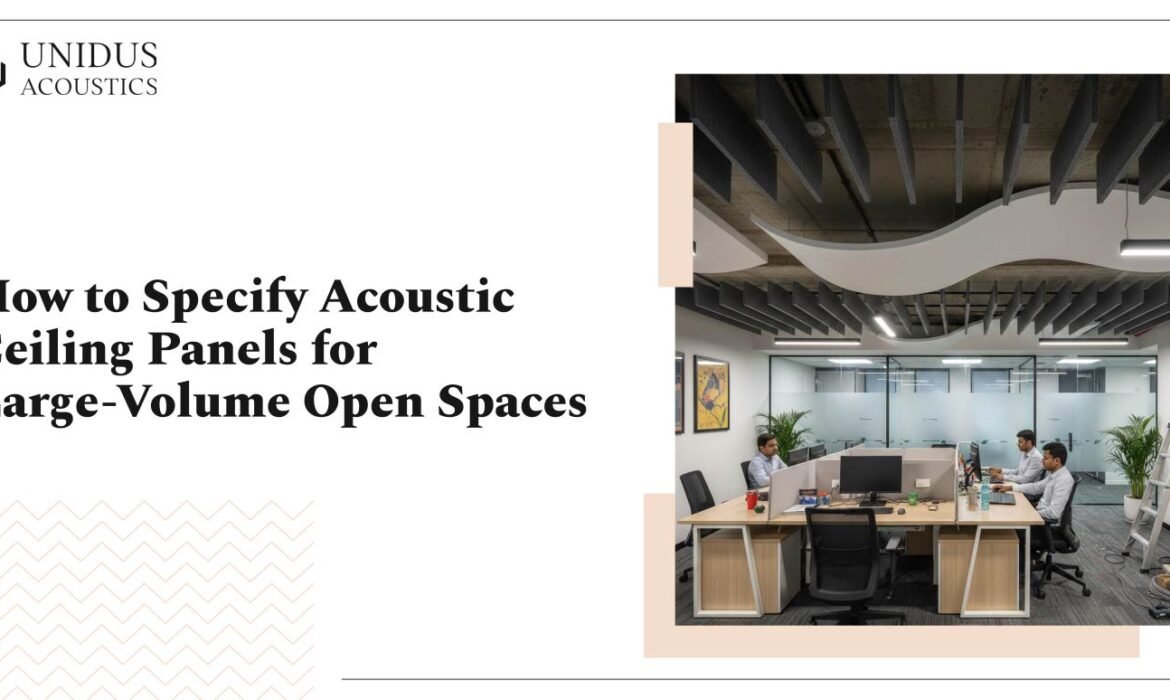
How to Specify Acoustic Ceiling Panels for Large-Volume Open Spaces
Large-volume commercial spaces have a fundamentally different acoustic problem from small meeting rooms. Sound travels farther, reflects off more surfaces, and takes longer to decay. A 3,000 sq ft open-plan floor is a different design challenge from a 25-person conference room, and specifying acoustic ceiling panels for it requires more...
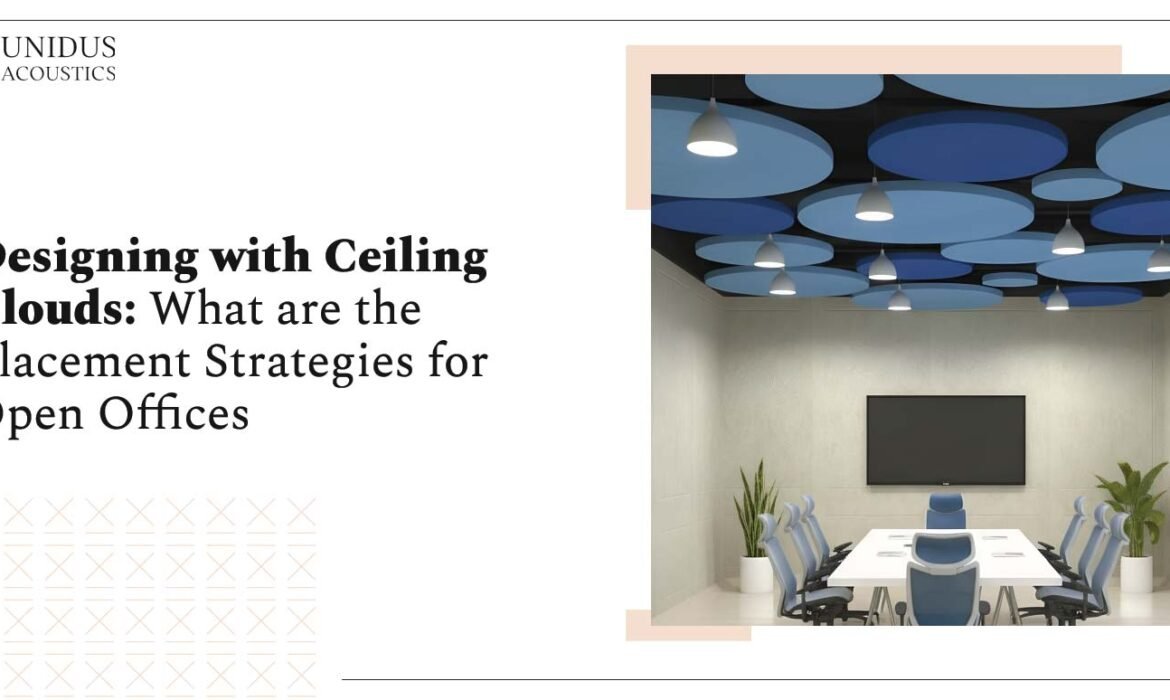
Acoustic Ceiling Clouds: Placement Strategies for Open Offices
Nearly 70% of offices now have open layouts, and surveys show that noise is among the biggest complaints in open-plan environments. One of the most effective ways to improve acoustics in large, exposed offices is by installing acoustic ceiling clouds. These are suspended ceiling panels that absorb sound and reduce...