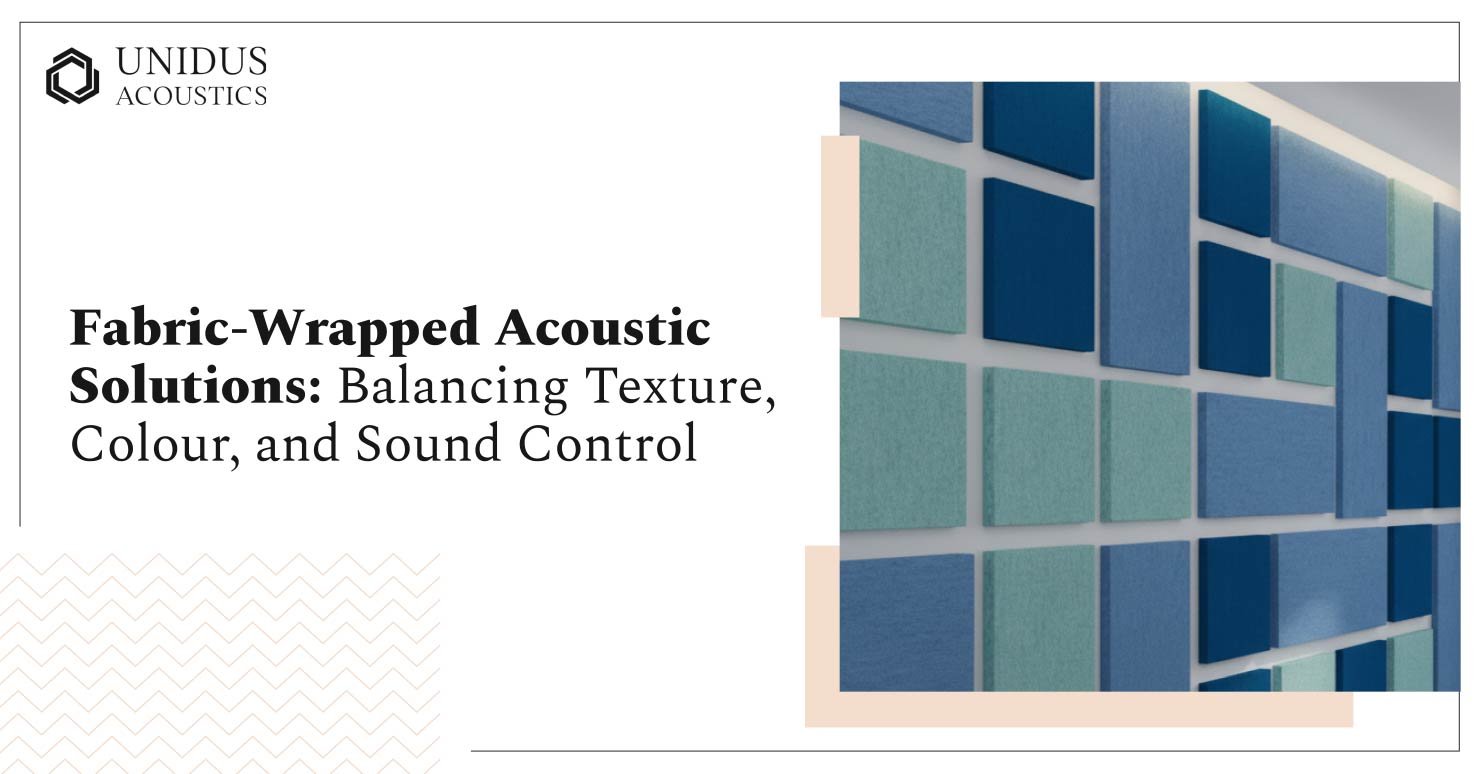
Walk into a well-designed office, hotel lobby, or collaborative workspace and everything looks right, until people start speaking. Conversations overlap, echoes linger, and focus drops. This gap between visual appeal and acoustic comfort often goes unnoticed, even though sound shapes how a space feels as much as light or layout. Fabric-wrapped acoustic solutions bridge this gap, combining sound absorption with thoughtful design to enhance functionality without compromising aesthetics.
Unidus Acoustics brings acoustic solutions into the design process from the start, helping architects, interior designers, and design build firms achieve better sound control while maintaining visual appeal. With expertise across multiple materials (fabric, wood, metal, and insulation) and local manufacturing supported by strict quality control, we ensure reliable performance tailored to each project.
By integrating acoustics early, spaces feel calmer, more usable, and purposefully designed, proving that sound is as essential to spatial planning as light, layout, and materials.
Understanding Fabric-Wrapped Acoustic Solutions
Before exploring colour and texture, it helps to understand how these systems work in real spaces. Fabric-wrapped acoustic solutions consist of high-performance acoustic cores wrapped in acoustically transparent fabrics. These panels absorb unwanted sound energy, reduce reverberation, and improve clarity, especially in speech-heavy environments.
Unlike exposed acoustic materials, fabric-wrapped panels allow complete aesthetic integration. Designers can choose from a wide range of colours, textures, and finishes while maintaining effective noise reduction.
Unidus Acoustics specialises in custom acoustic solutions that integrate seamlessly with acoustic wall panels, acoustic ceiling systems, and space division solutions. Each panel is designed to meet project-specific acoustic targets while complementing the overall design language.
How Fabric-Wrapped Acoustic Panels Add Depth Without Losing Performance
With a solid understanding of how these panels function, designers can explore how texture adds visual and emotional depth. Once sound is controlled, fabric-wrapped acoustic solutions enhance character with softness, rhythm, and depth while remaining acoustically transparent.
1. Texture as an Emotional Layer
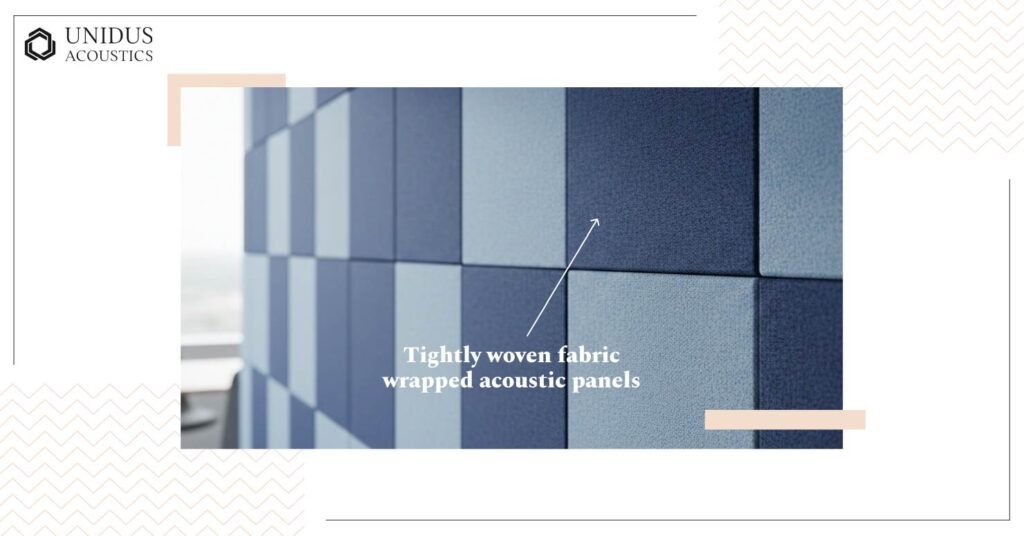
Fabric subtly shapes how people experience a space. Smooth, tightly woven fabrics suit minimal corporate interiors, keeping visual noise low, while textured or patterned options add warmth to hospitality environments. At Unidus Acoustics, fabric selection considers both acoustic transparency and design intent, ensuring texture influences mood without compromising sound absorption.
2. Visual Depth with Acoustic Integrity
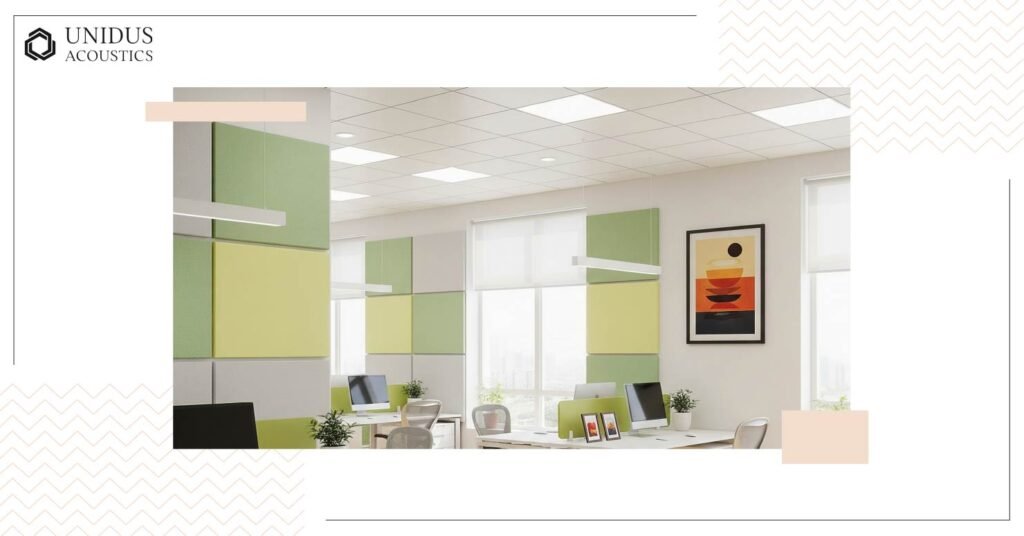
Fabric-wrapped panels work effectively alongside embossed or 3D panel designs and layered ceiling systems like baffles or clouds. This layering enhances spatial depth while maintaining performance. Panels continue to absorb excess sound, reducing echo, while fabric texture adds visual interest, letting acoustics support design rather than limit it.
3. Balancing Design Freedom and Sound Performance
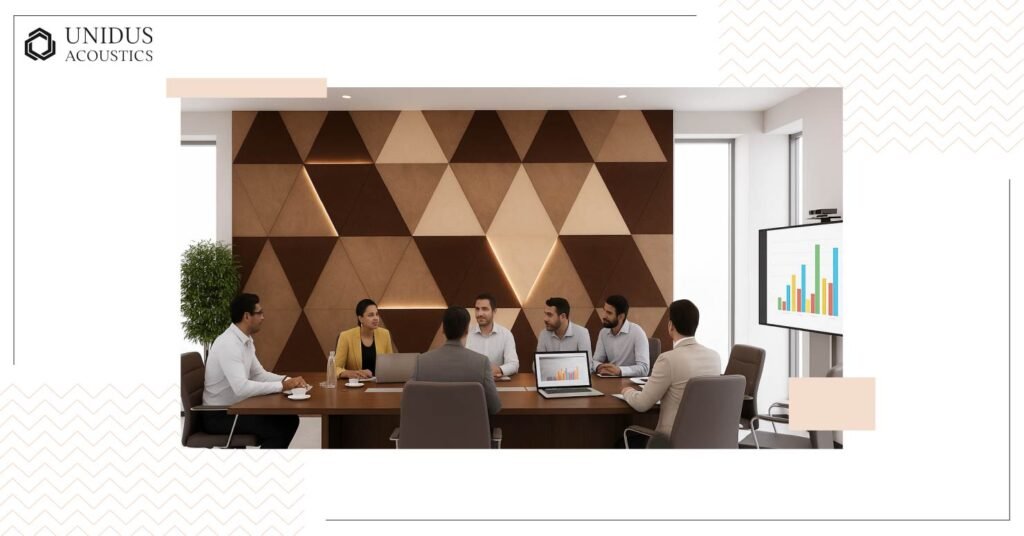
Selecting fabrics that meet acoustic requirements ensures effective absorption across environments. This balance allows designers to explore colour, weave, and pattern freely, making texture a functional element that reinforces calm, clarity, and comfort.
Colour in Fabric-Wrapped Acoustic Design: Shaping Mood and Perception
With texture set, colour shapes a space’s mood. Fabric-wrapped acoustic solutions offer flexible palettes, from soft neutrals for calm and focus to bold tones that energise collaborative areas.
- Colour and Emotional Impact: Colour directly influences mood and behaviour. Muted palettes support concentration in meeting rooms and quiet zones, while brighter shades add vibrancy to collaborative areas and breakout spaces. Custom colour matching allows fabric-wrapped panels to integrate seamlessly with existing brand palettes or interior schemes.
- Shaping Spatial Perception: Colour also affects how space feels. Lighter tones make compact areas feel open, while deeper shades add intimacy to large volumes. When coordinating wall panels, ceiling systems, and space dividers in complementary tones, colour creates cohesive visual flow without disrupting acoustic function.
- Cohesion Without Disruption: The result is a balanced environment where sound control and visual identity work together, making spaces purposeful, comfortable, and visually engaging.
Balancing Aesthetics With Fabric-Wrapped Acoustic Performance
As design evolves, maintaining acoustic performance is key. Fabric-wrapped solutions work best when breathability, panel thickness, and core density align, ensuring fabrics remain both attractive and acoustically effective.
1. Where Design Meets Technical Precision
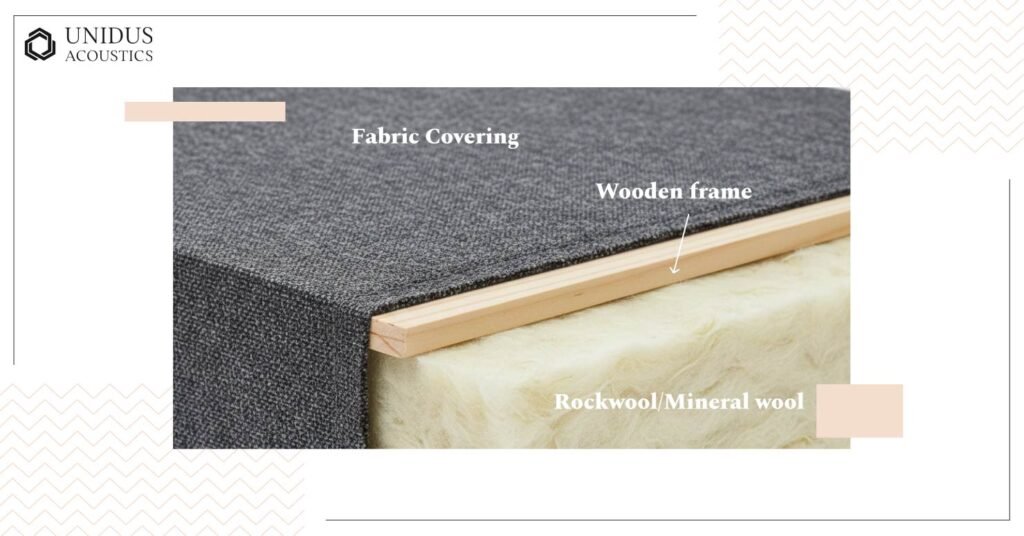
Acoustic performance depends on more than appearance. Fabric that is too dense or poorly suited can block sound waves, reducing absorption. Effective fabric-wrapped panels typically maintain NRC (Noise Reduction Coefficient) ratings between 0.70 and 0.90, depending on core material and fabric breathability.”
Panel construction and material layering play a critical role in ensuring noise reduction remains effective across different frequencies.
2. Importance of Correct Selection and Installation
Achieving balance requires technical understanding and careful detailing. Incorrect fabric choices or improper installation can compromise noise control and affect long-term performance. Precision in execution ensures that visual intent does not undermine acoustic outcomes.
3. Reliable Performance Without Visual Compromise
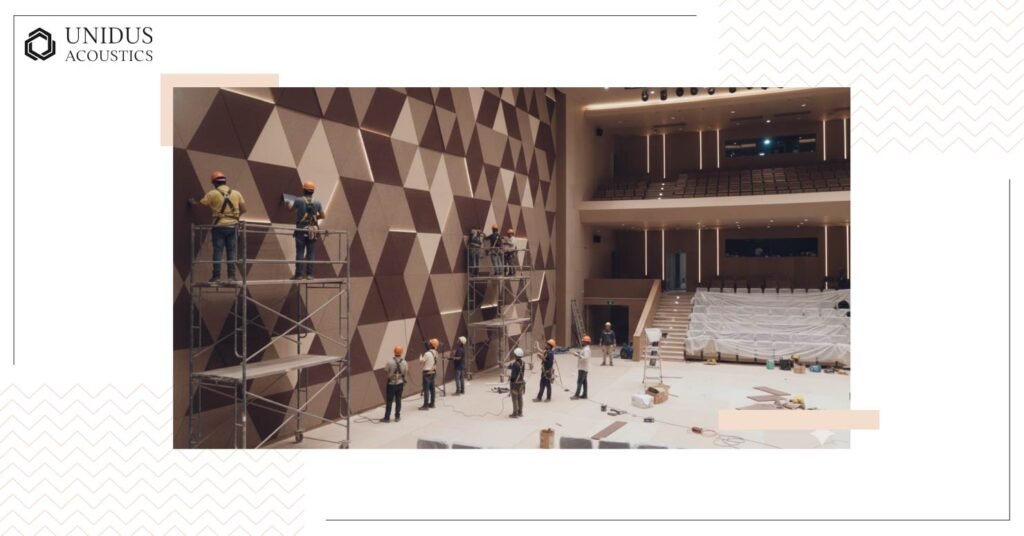
When form and function align, acoustic solutions deliver consistent sound control while supporting design intent. The result is a space that looks refined, performs reliably, and maintains quality over time, without sacrificing either aesthetics or acoustic performance.
Fabric-Wrapped Acoustic Solutions Across Commercial Spaces
Fabric-wrapped acoustic solutions fit smoothly into modern commercial spaces, tackling noise, reducing echo, and enhancing comfort before pairing with complementary systems.
1. Corporate Offices
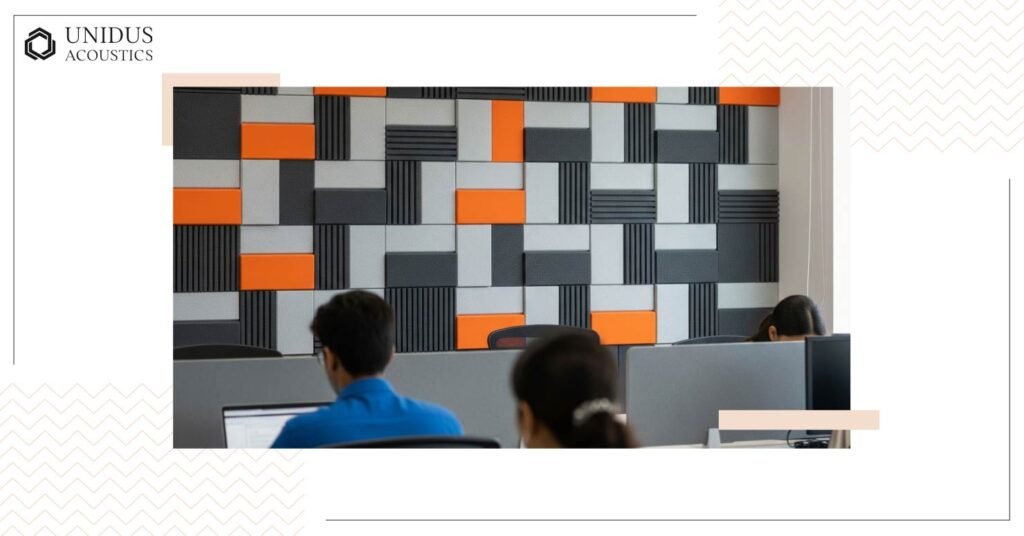
In offices, fabric-wrapped acoustic panels reduce background noise and echo, helping employees focus and communicate with ease. They support both quiet work zones and collaborative areas by balancing sound levels across open layouts. Once this acoustic base is established, integration with acoustic ceiling systems strengthens overall sound control, especially in open-plan offices and meeting rooms where reflected noise tends to build up.
2. Educational Institutions

Learning spaces rely heavily on speech clarity. Fabric-wrapped acoustic panels absorb excess reverberation, ensuring that spoken words remain clear and intelligible throughout classrooms and lecture halls. After improving sound clarity at the wall level, insulation materials such as glasswool enhance absorption within partitions and cavities, further reducing noise transfer and classroom distractions.
3. Hospitality Spaces
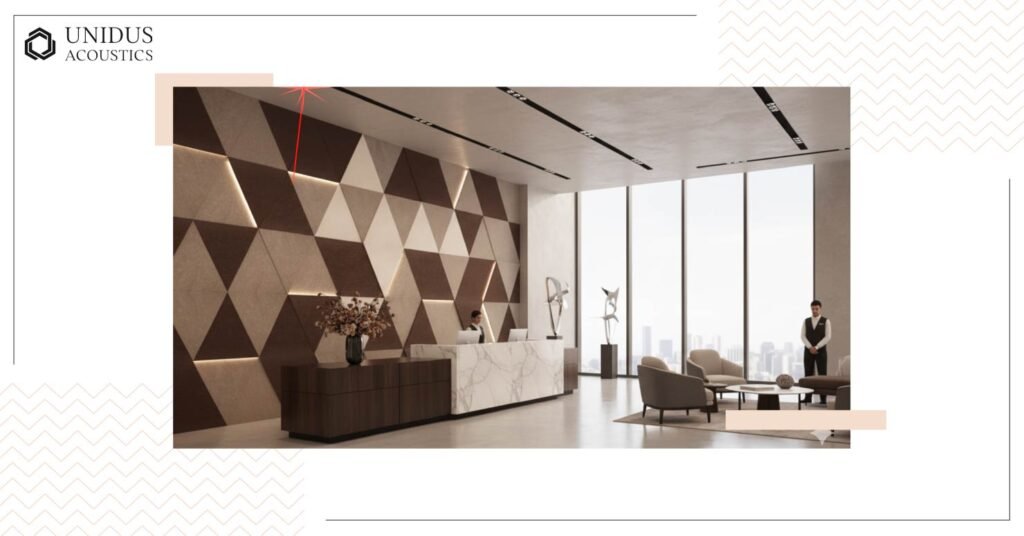
In hospitality environments, fabric-wrapped panels manage ambient noise while maintaining a welcoming atmosphere. They prevent sound from becoming overwhelming in restaurants, lounges, and hotel lobbies, allowing conversations to feel comfortable. Once ambient control is achieved, acoustic space division solutions help define zones, improve privacy, and maintain acoustic comfort without interrupting the visual flow of the interior.
Sustainability in Fabric-Wrapped Acoustic Solutions
Modern projects demand responsible material choices, and fabric wrapped acoustic solutions now reflect this shift. In fact, at Unidus Acoustics, many of our products use eco‑friendly fabrics, recycled cores, and low‑emission materials, improving indoor comfort while supporting long‑term value for money. Also, ensuring durable fabrics extends product life, and modular systems allow future adjustments rather than replacement.
Local manufacturing and quality control help reduce lead times and ensure consistency, minimising waste and transport emissions in the process. Unidus Acoustics integrates sustainability into acoustic solutions from the outset. Our felt products use recycled polyester made from post‑consumer PET bottles, giving new life to plastic waste and reducing environmental impact. Our range also includes panels made from recycled polyester fibre boards, promoting circular use of materials while maintaining high acoustic performance.
By combining responsible materials with proven sound management, this approach supports both performance and environmental goals, adding real, long‑term value to commercial spaces without compromising design.
Conclusion
Good acoustic design doesn’t ask you to trade off aesthetics for performance. Fabric-wrapped acoustic solutions show that the two can coexist, and when texture, colour, and sound control are specified together from the start, the result is a space that feels as considered as it looks.
Unidus Acoustics brings 40+ years of expertise to every project, delivering custom acoustic solutions that balance aesthetics, sound absorption, and reliability. We turn noise into harmony through thoughtful design, precise execution, and on-time delivery. If you are shaping a space that must perform as beautifully as it looks, a focused acoustic consultation can be the right next step.
Once you reach out to us, we will assess your space, discuss design goals, and recommend tailored solutions. From material selection to installation planning, we guide every step to ensure your space achieves optimal sound performance without compromising aesthetics.