You’ve just walked into a stunning corporate lobby. The marble gleams, the lighting is perfect, and the design is award-worthy. But the moment people start talking, the space turns into an echo chamber, and what should feel prestigious suddenly feels uncomfortable.
This is the paradox architects and interior designers face constantly: creating visually striking spaces that also perform acoustically. For too long, the assumption has been that you must choose between beauty and sound quality. Acoustic wall covering solutions prove this assumption wrong.
The Real Challenge: When Design Meets Acoustics
Modern commercial architecture loves clean lines, open spaces, and reflective materials: glass walls, polished concrete, and exposed ceilings. These elements create the contemporary aesthetic that clients demand.
But acoustically, they’re disasters.
Every hard surface reflects sound rather than absorbing it, creating reverberation that makes spaces unusable despite their visual appeal.
The traditional approach treats acoustics as an afterthought. Install some foam panels here, hang a few basic tiles there, and hope it helps. This reactive strategy almost always fails because it forces designers to compromise their vision or settle for acoustic treatments that look utilitarian.
We’ve seen hotel lobbies where generic acoustic foam was added to feature walls as an afterthought, undermining months of design work and requiring costly remediation.
At Unidus Acoustics, in our 40 years of experience, we’ve seen this pattern repeat many times across commercial projects throughout India. The solution isn’t choosing between form and function. It’s integrating acoustic performance into the design from the beginning, treating acoustic wall covering as a design element rather than a technical fix.
Why Acoustic Wall Covering Works
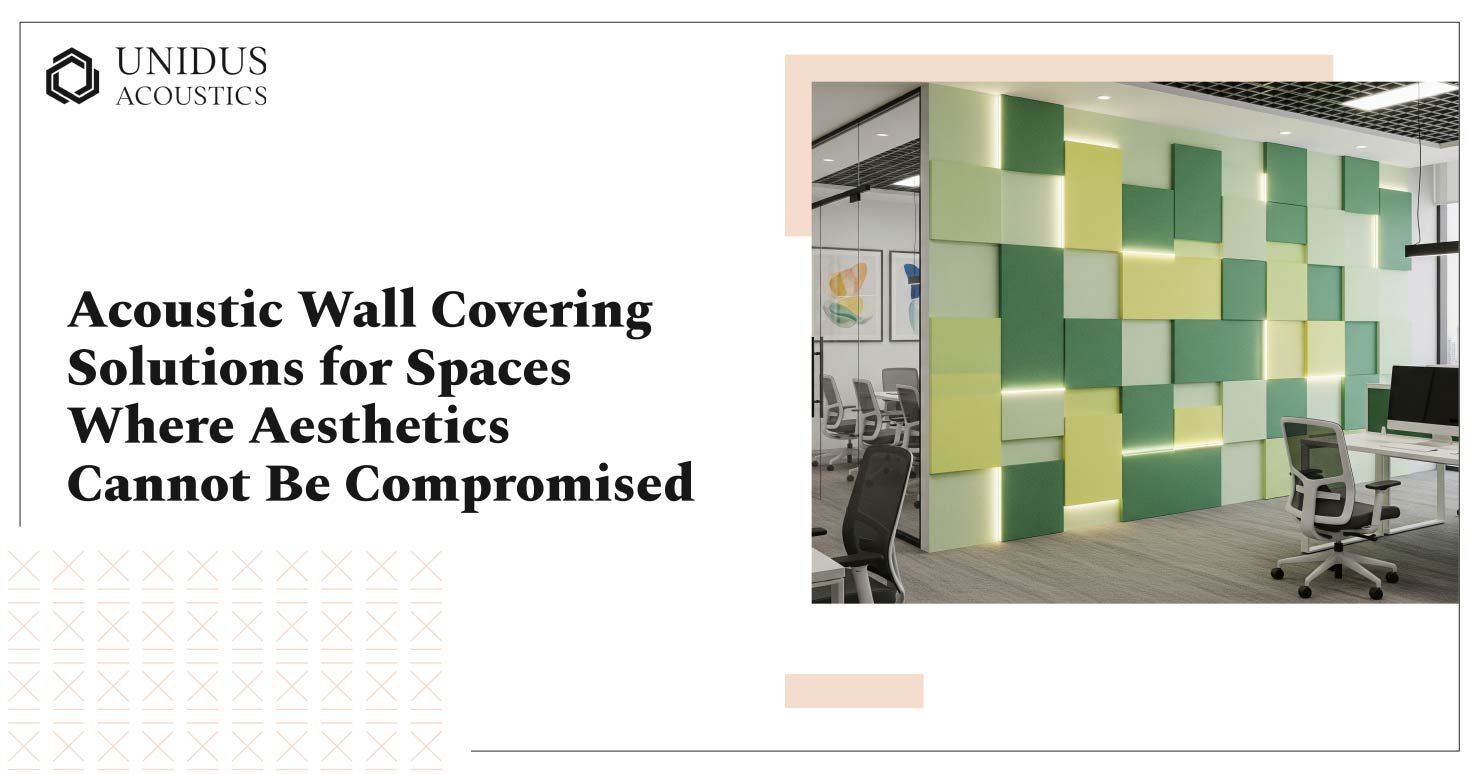
Acoustic wall covering addresses sound problems at the source: the walls themselves. Instead of adding bulky, visible acoustic treatments later, these solutions become part of the wall’s aesthetic identity. They absorb sound while enhancing the space’s visual character.
The key is material selection and customisation. Different spaces need different acoustic responses. A corporate boardroom requires speech clarity and privacy, while a restaurant needs to control ambient noise without necessarily creating a library-like atmosphere. Acoustic wall covering can be tailored to each context.
Material Options That Don’t Compromise Design
Fabric-wrapped panels deliver excellent sound absorption while offering unlimited colour and texture options. In fact, we have a range of such panels that are fully customisable. These fabric-wrapped panels work beautifully in corporate offices, conference rooms, and hospitality spaces where warmth and sophistication matter. The fabric surface can be printed with custom patterns, turning acoustic treatment into feature walls that reinforce brand identity.
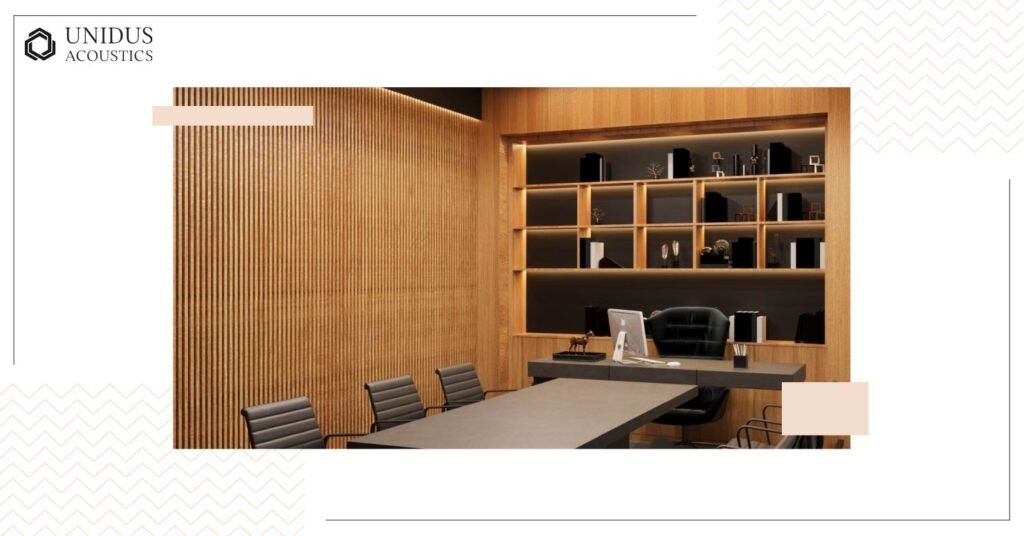
Wood acoustic panels bring natural warmth and texture. Perforated or slatted wood designs provide sound absorption while maintaining the organic, premium feel that contemporary commercial design demands. Perfect for lobbies, executive spaces, and high-end restaurants where natural materials signal quality.
Polyester acoustic panels offer design flexibility through 3D forms and embossed patterns. These create dramatic visual interest and depth while performing acoustically. Ideal for feature walls in reception areas, collaboration spaces, or any environment where the wall itself becomes a design statement.
Applications Across Commercial Spaces
Corporate Offices: Open-plan offices suffer from speech privacy issues and noise distractions. Acoustic wall covering on strategic walls reduces sound transmission between zones without building full partitions, maintaining the open feel while creating necessary acoustic separation.
This approach transforms noisy open offices into productive workspaces where teams maintain visual connectivity without acoustic distraction.
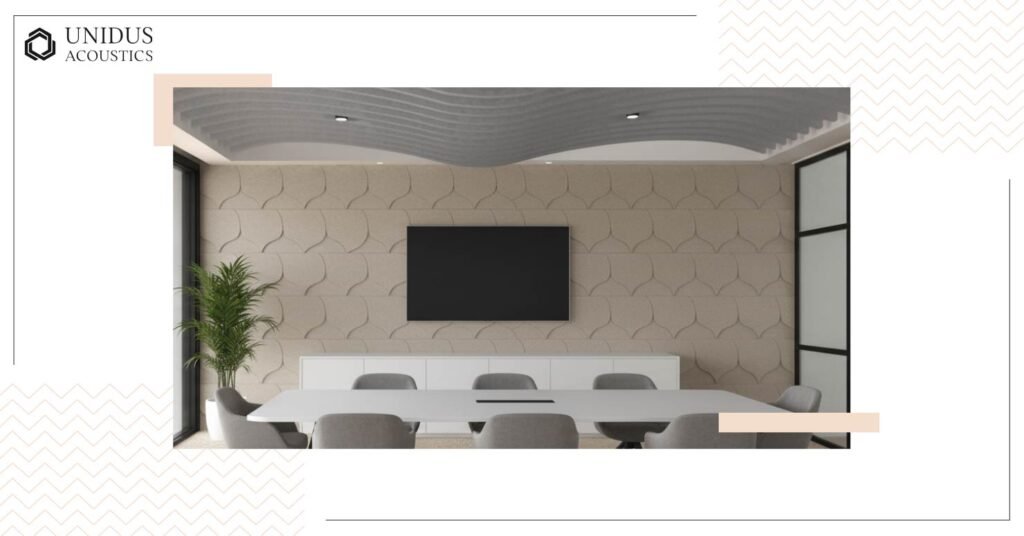
Boardrooms and Meeting Rooms: Clear speech intelligibility makes or breaks meeting spaces. Acoustic wall covering absorbs echo and reverberation that makes virtual meetings particularly challenging, improving both in-room and remote audio quality.
Hospitality Venues: Restaurants and hotels need to manage crowd noise without creating sterile environments. Acoustic wall covering controls excessive reverberation that makes dining conversations difficult while maintaining the energy guests expect.
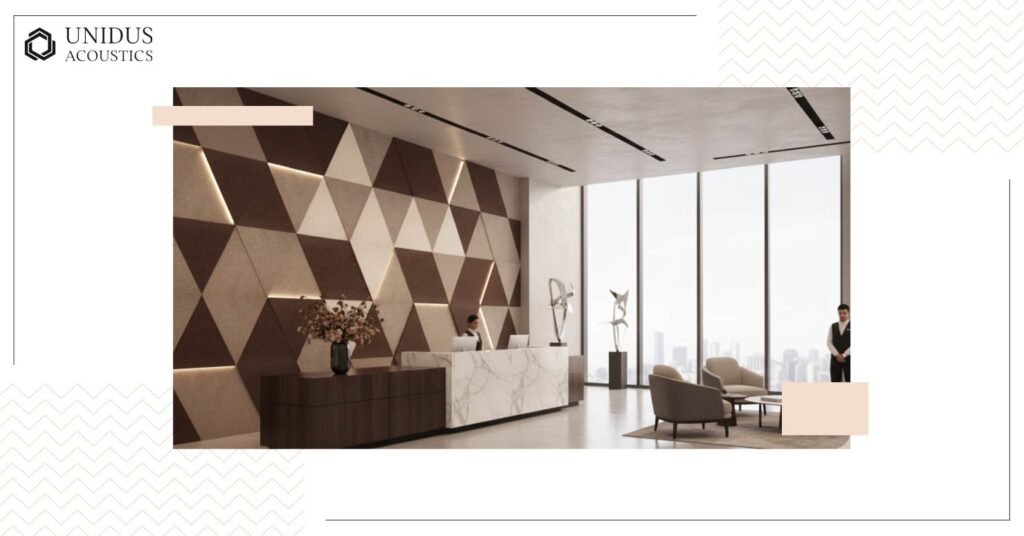
Reception Areas and Lobbies: First impressions depend on both visuals and acoustic comfort. Acoustic wall covering prevents the echo-chamber effect common in grand entrance spaces with high ceilings and hard surfaces, and can be custom-designed to display company branding.
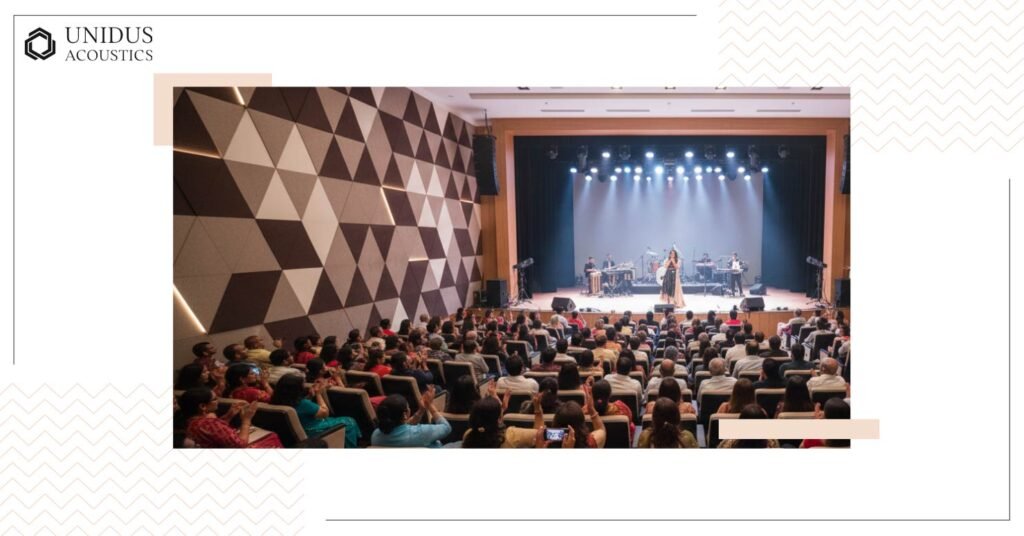
Auditoriums and Conference Halls: These spaces demand precise acoustic control. Acoustic wall covering provides necessary sound absorption while allowing for decorative treatments that make the space feel intentional.
Beyond Standard Solutions: Customisation and Integration
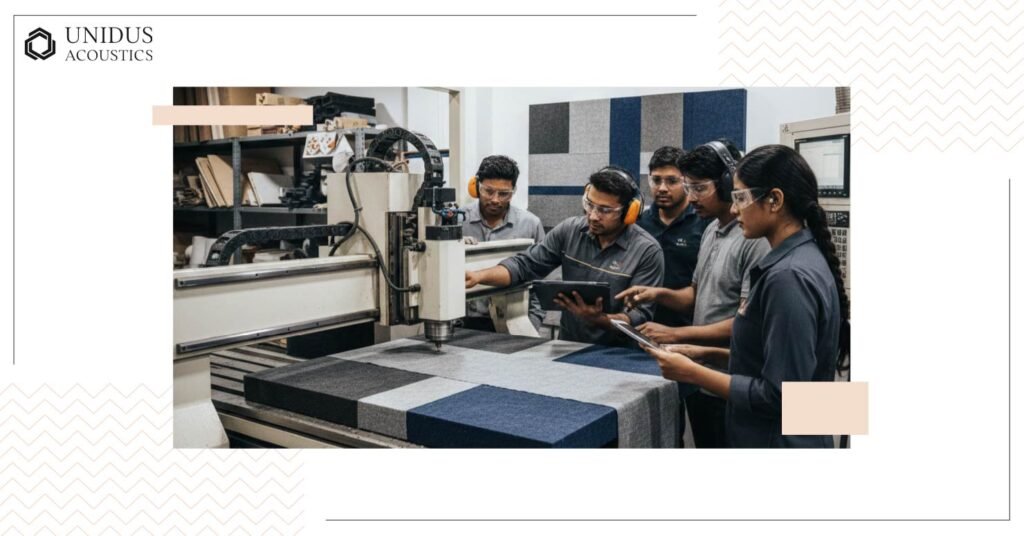
What separates effective acoustic wall covering from generic solutions is customisation. Standard sizes and colours rarely suit specific design requirements. Custom-designed acoustic solutions allow designers to specify dimensions, colours, patterns, and mounting systems that integrate seamlessly with the overall design concept.
Acoustic wall panels can be manufactured in custom shapes to create geometric patterns, incorporate logos or graphics through digital printing, or match specific colour palettes exactly. This level of customisation means acoustic treatment enhances rather than detracts from design vision.
Installation flexibility matters equally. Acoustic wall covering systems can be designed for easy installation with minimal disruption, critical for retrofit projects in occupied buildings.
Technical Performance Without Technical Appearance
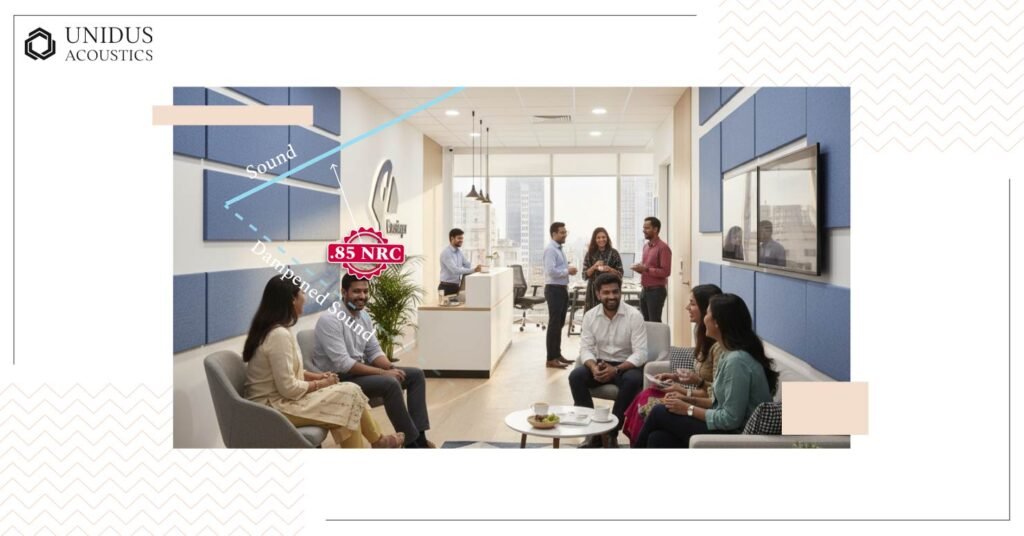
Quality acoustic wall covering typically achieves NRC (Noise Reduction Coefficient) ratings between 0.70 and 0.95, meaning it absorbs 70% to 95% of sound energy hitting its surface.
For design professionals, the crucial insight is that high acoustic performance doesn’t require thick, obviously technical-looking treatments. Modern acoustic materials achieve excellent absorption in relatively thin profiles that look like intentional design elements.
Making the Right Choice
Selecting acoustic wall covering requires understanding the space’s specific acoustic challenges, aesthetic requirements, and functional needs. The process should involve acoustic analysis to identify problem areas, design integration to ensure the covering complements the overall aesthetic, and material selection based on both performance and appearance.
Unidus Acoustics specialises in custom acoustic solutions that balance form and function. Our computational design capabilities allow us to model both the acoustic and visual impact before installation, ensuring you achieve the performance you need without compromising design.
The Bottom Line
Spaces where aesthetics matter most are also spaces where acoustics critically affect user experience. Acoustic wall covering solves this problem by delivering acoustic performance worthy of the visual design.
The key is treating acoustics as a design opportunity rather than a technical requirement. When acoustic wall covering is specified early, designed intentionally, and executed with quality materials, it enhances design rather than compromising it.
Wondering if acoustic wall covering is right for your next project?
Get in Touch with our team for a consultation on custom acoustic solutions that enhance both the sound and style of your spaces. With 40 years of expertise and on-time delivery, we promise to turn your acoustic challenges into design opportunities.