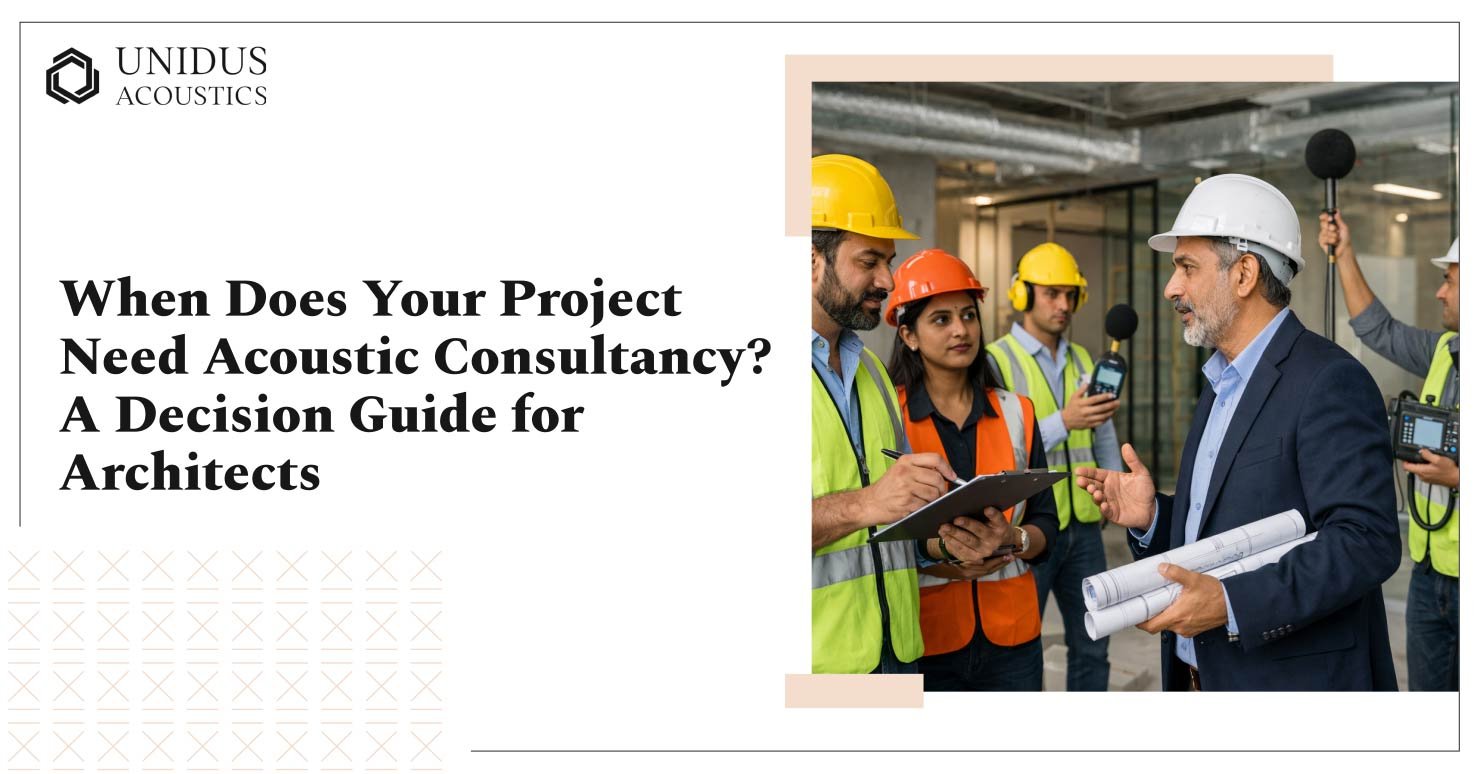
You’re midway through a corporate office design when the client casually mentions they need “good acoustics.” It sounds simple enough. Specify some acoustic ceiling tiles, maybe add a few wall panels, and call it done. But three months after the space opens, complaints start rolling in. Conference rooms echo. Open workspaces are too noisy. The expensive fit-out isn’t performing as expected.
This scenario plays out more often than it should. At Unidus Acoustics, we see this constantly. Over 40 years of delivering custom acoustic solutions across India, the pattern is unmistakable: acoustics treated as a product specification rather than an integrated design consideration. The question isn’t whether acoustics matter (they always do in commercial spaces), but rather when your project needs professional acoustic consultancy versus standard acoustic solutions.
The Real Cost of Getting Acoustics Wrong
Poor acoustics rarely announce themselves during design reviews. The renderings look perfect. The material samples impress. But the moment people occupy the space, acoustic problems become painfully obvious. Speech intelligibility suffers in meeting rooms. Privacy disappears in supposedly quiet zones. Background noise makes concentration impossible.
Fixing acoustic problems after construction is expensive, disruptive, and often compromises the original design vision. Acoustic consultancy prevents this by integrating acoustic performance into the design from the beginning, not as an afterthought. At Unidus Acoustics, we turn noise into harmony by ensuring acoustic strategy informs design decisions when changes are still simple to implement.
When Acoustic Consultancy Is Essential
Certain project types remove all ambiguity from the decision. Some spaces simply cannot succeed without professional acoustic analysis from the outset. The complexity, performance requirements, or regulatory constraints make acoustic consultancy services non-negotiable.
Auditoriums and Performance Spaces
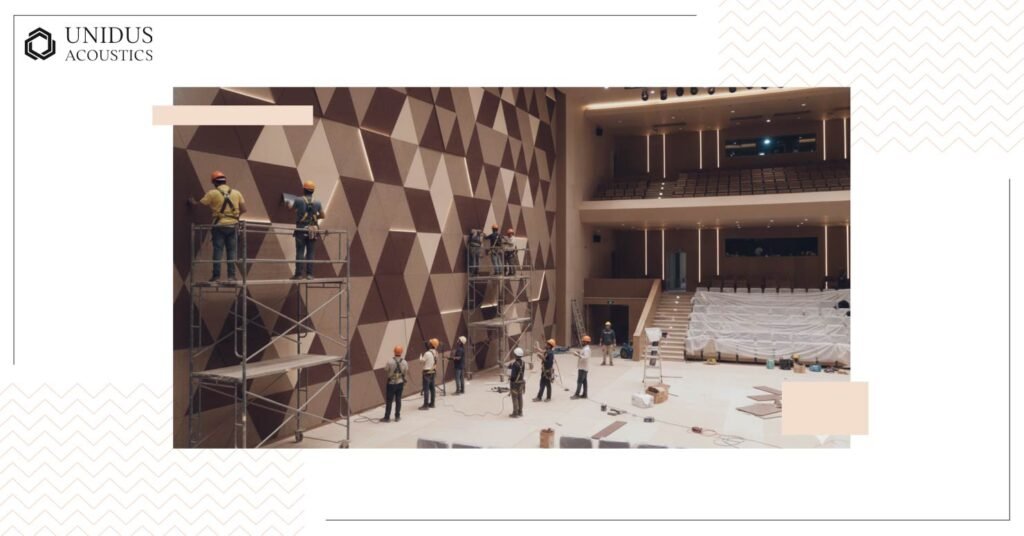
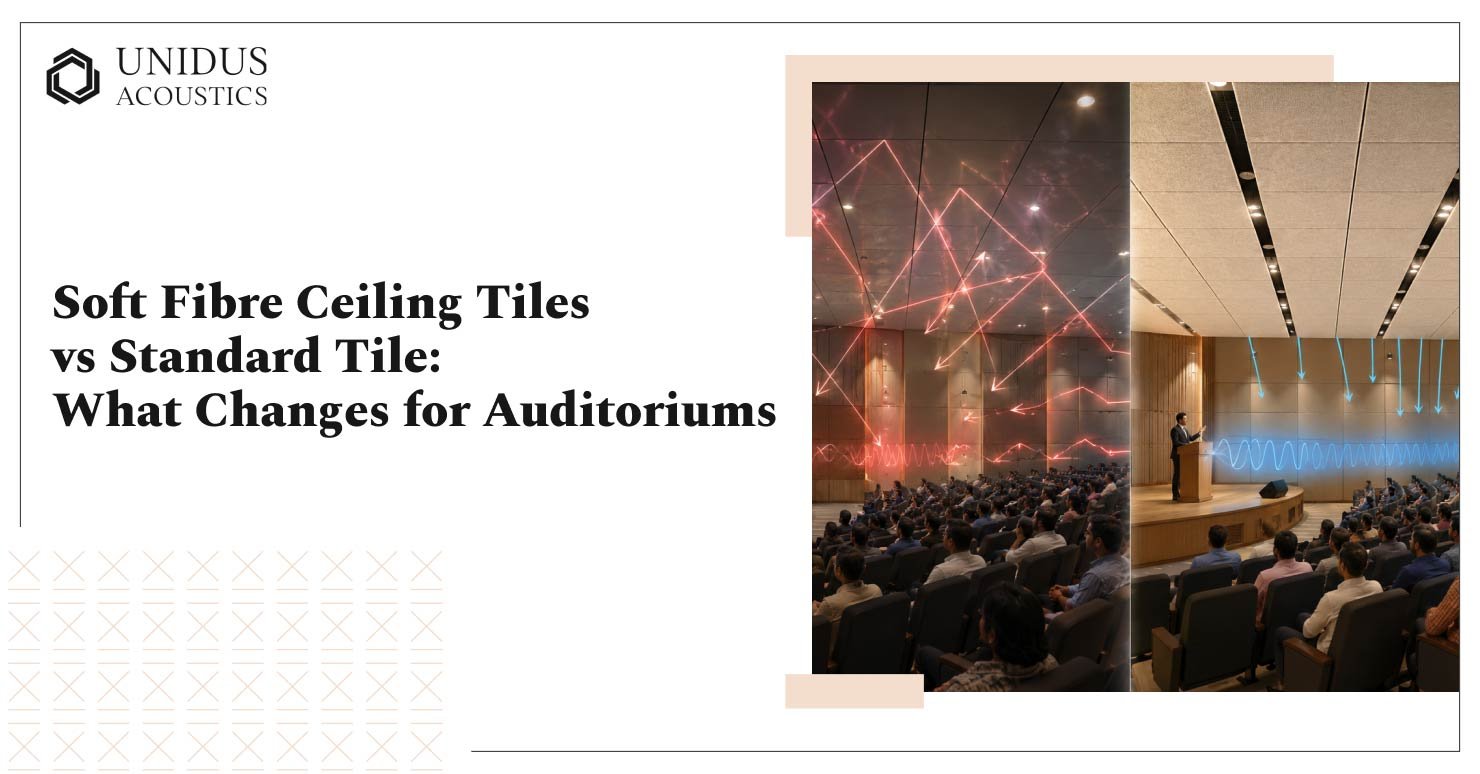
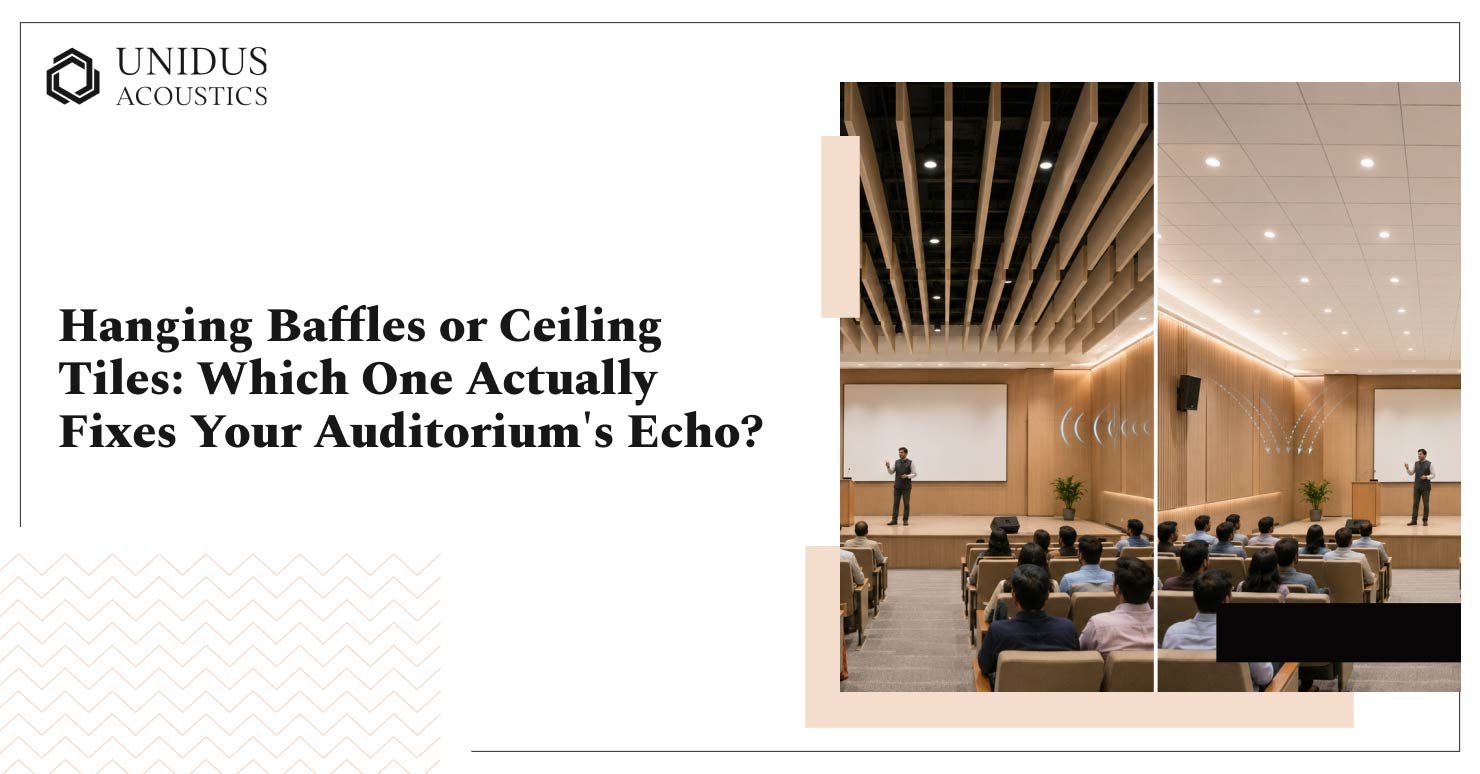
These spaces have zero margin for error. Acoustic consultancy ensures proper reverberation time, sound distribution, and speech clarity. The relationship between room geometry, materials, and acoustic performance is too complex for guesswork. Solutions typically integrate custom acoustic wall panels with precisely specified ceiling systems to achieve the required acoustic signature.
Recording Studios and Broadcast Facilities
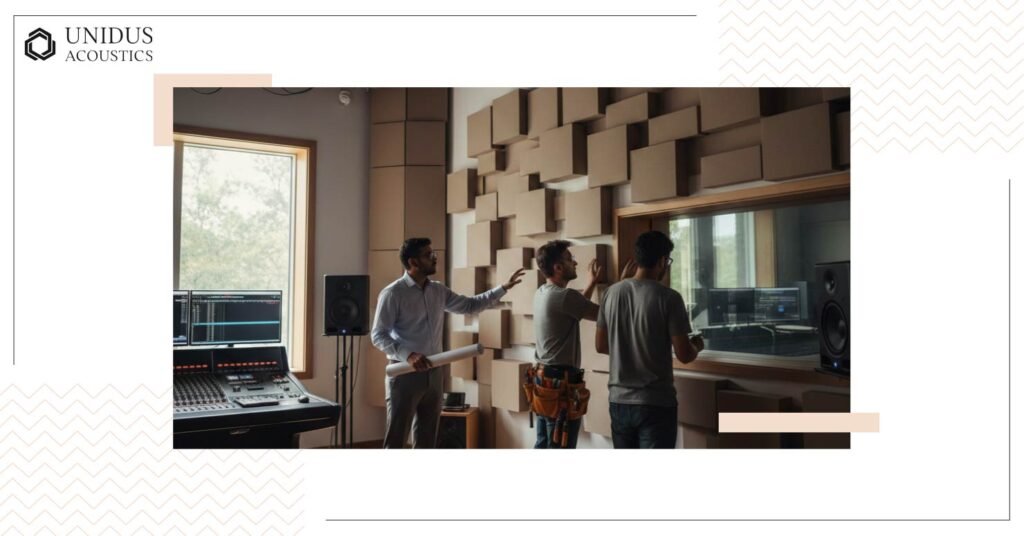
Professional audio environments require precise acoustic control. Background noise levels, sound isolation, and room acoustics must meet specific technical standards. An acoustic consultant identifies and solves problems that would otherwise make the space unusable.
Institutional Buildings (Schools, Hospitals, Courtrooms)
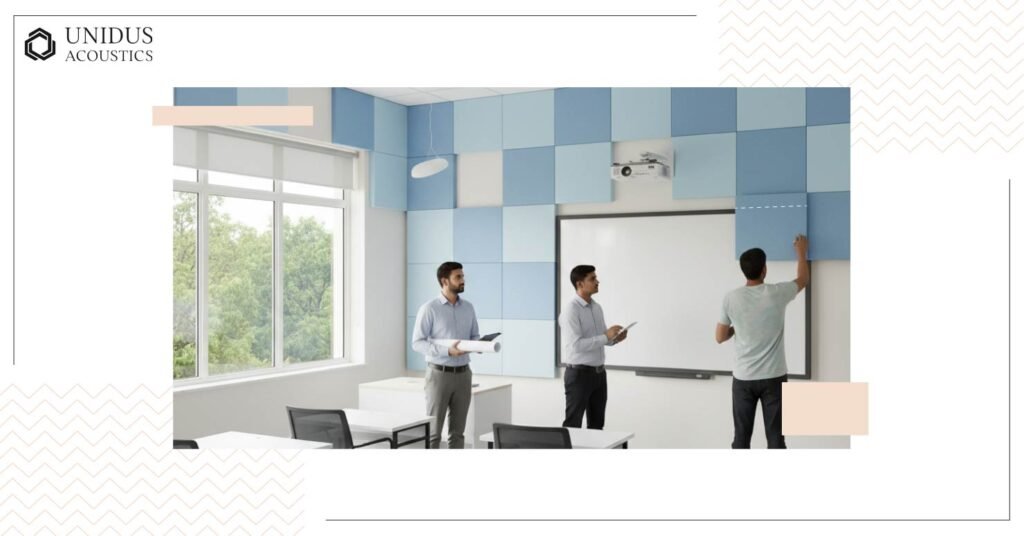
These spaces face strict acoustic regulations around noise levels, reverberation times, and speech intelligibility. Acoustic consultancy ensures compliance while maintaining design quality, often balancing form and function through careful selection of acoustic materials and ceiling configurations.
Mixed-Use Developments
When residential, commercial, and entertainment functions share a building, sound isolation becomes critical. Acoustic consultancy prevents neighbour complaints, legal issues, and costly retrofits by addressing structure-borne sound, impact noise, and airborne sound transmission.
High-Security or Confidential Spaces
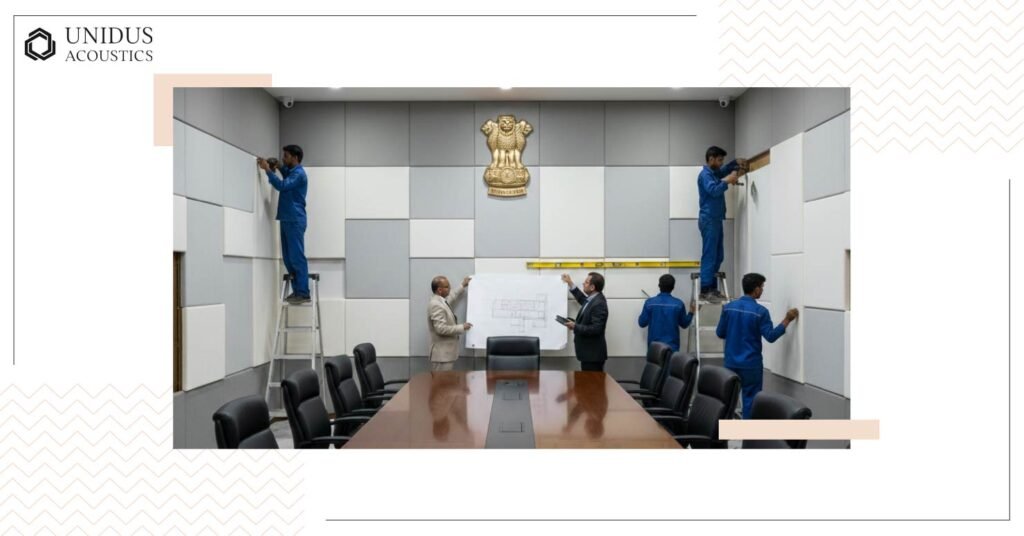
Government facilities, legal offices, and corporate boardrooms handling sensitive information need guaranteed speech privacy. Acoustic consultancy verifies that sound isolation meets security requirements through proper wall construction and acoustic sealing details.
When Acoustic Consultancy Adds Significant Value
Beyond the essential cases, many projects benefit substantially from acoustic consultancy even if it’s not strictly required. The investment prevents problems and often reveals opportunities to enhance the space through bespoke acoustic solutions.
Open-Plan Offices Above 200 Square Metres
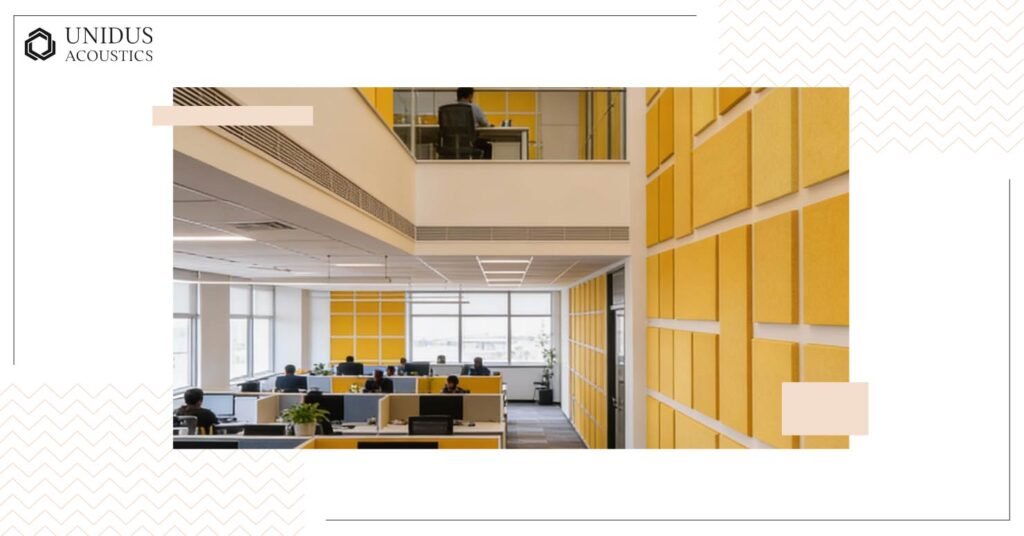
Large open workspaces are acoustically challenging. Noise travels easily, privacy suffers, and productivity drops. Acoustic consultancy optimises ceiling heights, workstation layouts, and acoustic treatments to create functional zones within open plans. This might include suspended acoustic baffles for overhead sound absorption, strategic placement of acoustic screens for desk-level privacy, and ceiling clouds to manage reverberation without sacrificing the open aesthetic.
Restaurants and Hospitality Venues
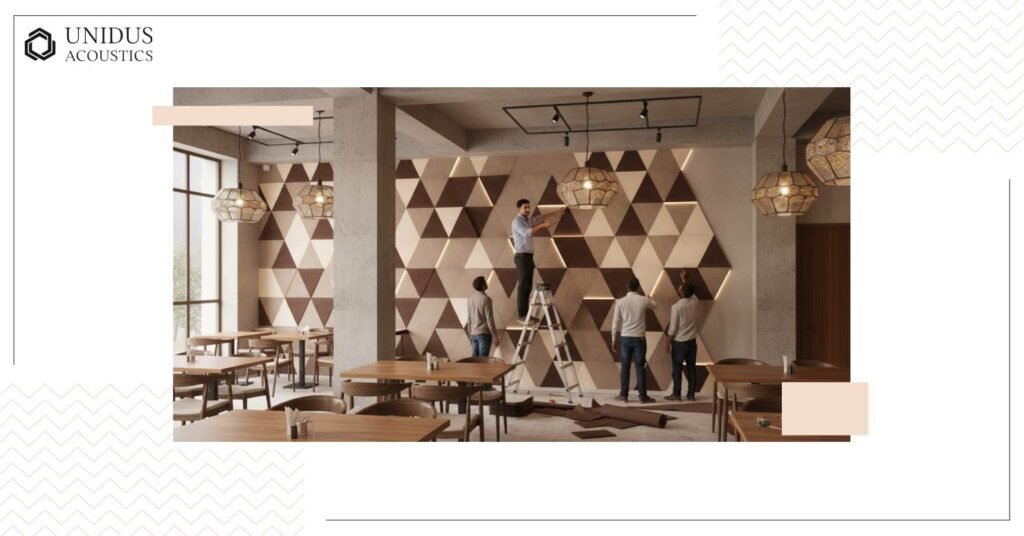
The acoustic environment directly affects customer experience and revenue. Too loud, and guests can’t converse. Too quiet, and the space feels lifeless. Acoustic consultancy finds the balance, ensuring ambient noise levels support the intended atmosphere. Solutions often combine decorative acoustic panels that enhance rather than compromise the design vision.
Spaces with Complex Geometries
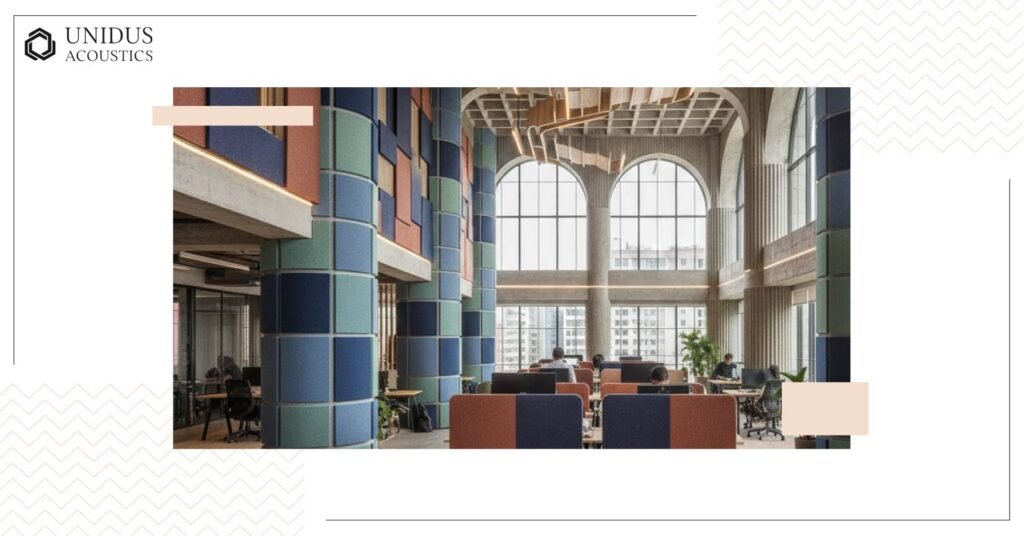
High ceilings, curved walls, unusual angles—these architectural features create unpredictable acoustic behaviour. Acoustic consultancy uses computational design to predict how sound will behave and adjust the design accordingly, ensuring aesthetic ambition doesn’t create acoustic chaos.
Renovation Projects in Historic Buildings
Existing structures bring acoustic challenges. Hard surfaces, unusual proportions, and preservation requirements limit options. Acoustic consultancy identifies solutions that improve acoustics without compromising heritage values, often through carefully integrated treatments that respect the original architecture.
Flexible or Multi-Function Spaces
Spaces that serve different purposes (conference room that becomes training venue, lobby that hosts events) need acoustic adaptability. Acoustic consultancy designs for multiple acoustic scenarios, ensuring the space performs well across various uses.
Red Flags That Indicate You Need Consultancy
Certain project characteristics signal that acoustic consultancy isn’t optional, even if the client hasn’t requested it. Recognising these red flags early prevents problems and protects both project success and your professional reputation.
The Client Mentions Previous Acoustic Problems
If they’ve experienced acoustic failures before, they’re already sensitised to the issue. This project needs to get it right. Professional acoustic analysis provides the confidence that comes from verified performance predictions.
Regulatory Compliance Is Required
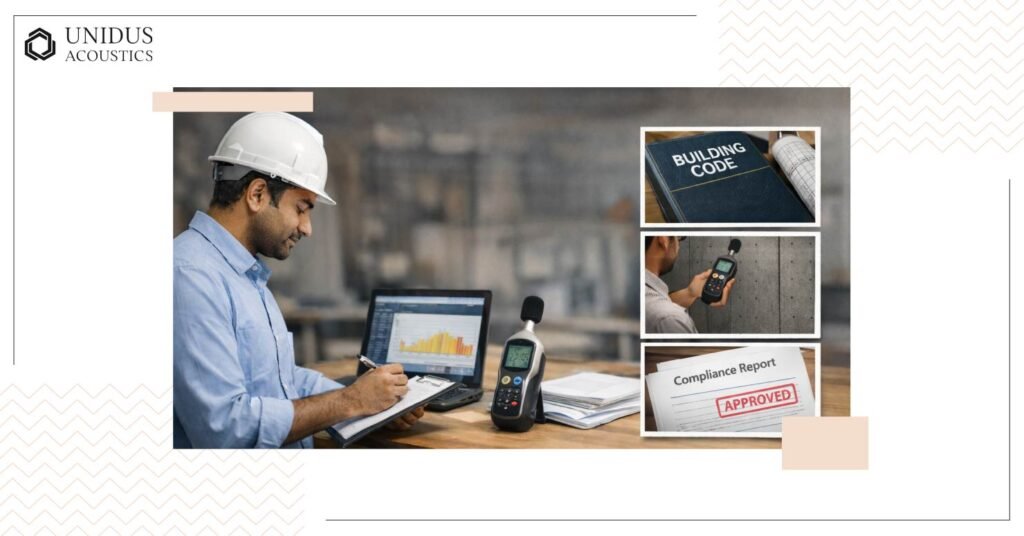
Building codes, industry standards, or accessibility regulations often mandate specific acoustic performance. An acoustic consultant ensures compliance and provides documentation, eliminating risk of costly retrofits or regulatory issues.
Budget Is Tight
Counterintuitively, limited budgets need consultancy more, not less. Getting acoustics wrong the first time wastes money on ineffective treatments. Acoustic consultancy optimises the acoustic budget, focusing resources where they’ll have the most impact. This ensures value for money while preventing the costly cycle of specifying, installing, and replacing ineffective treatments.
The Design Uses Predominantly Hard Surfaces
Glass, concrete, metal—these materials create acoustic challenges. If the aesthetic depends on reflective surfaces, consultancy becomes essential to prevent the space from becoming unusable. The consultant identifies where strategic acoustic absorption is needed and how to integrate it aesthetically.
Multiple Stakeholders Have Conflicting Requirements
When different user groups need different acoustic conditions (quiet zones adjacent to collaborative areas, for example), consultancy mediates these conflicts through design. The solution might involve space division solutions like acoustic screens and partitions that create acoustic zones without building walls.
Making the Call
Acoustic consultancy isn’t an admission that your design needs help. It’s recognition that acoustics, like structural engineering or MEP systems, requires specialist expertise to get right. The goal isn’t to hand over design control—it’s to ensure your design vision is acoustically viable and that acoustic solutions integrate seamlessly with your aesthetic intent.
The projects that need consultancy most are often the ones where clients don’t initially request it. Your role as an architect includes identifying when specialist input will prevent problems and enhance outcomes. Raising the consultancy question early demonstrates thoroughness and protects everyone involved—you, your client, and the eventual occupants who’ll experience the space daily.
At Unidus Acoustics, our acoustic consultancy services leverage 40 years of expertise and partner relationships that provide access to world-class knowledge resources. Our team works alongside your design process, ensuring acoustic solutions enhance rather than compromise your vision. With capabilities spanning computational design, prototyping, and manufacturing, we ensure recommendations are both acoustically sound and practically achievable with on-time delivery.
Wondering if acoustic consultancy is right for your next project?
Get in Touch. Or simply reply with your project details, and we’ll help you determine whether consultancy would add value to your specific situation. Our team can review your project scope and provide honest guidance on the level of acoustic expertise your project requires.